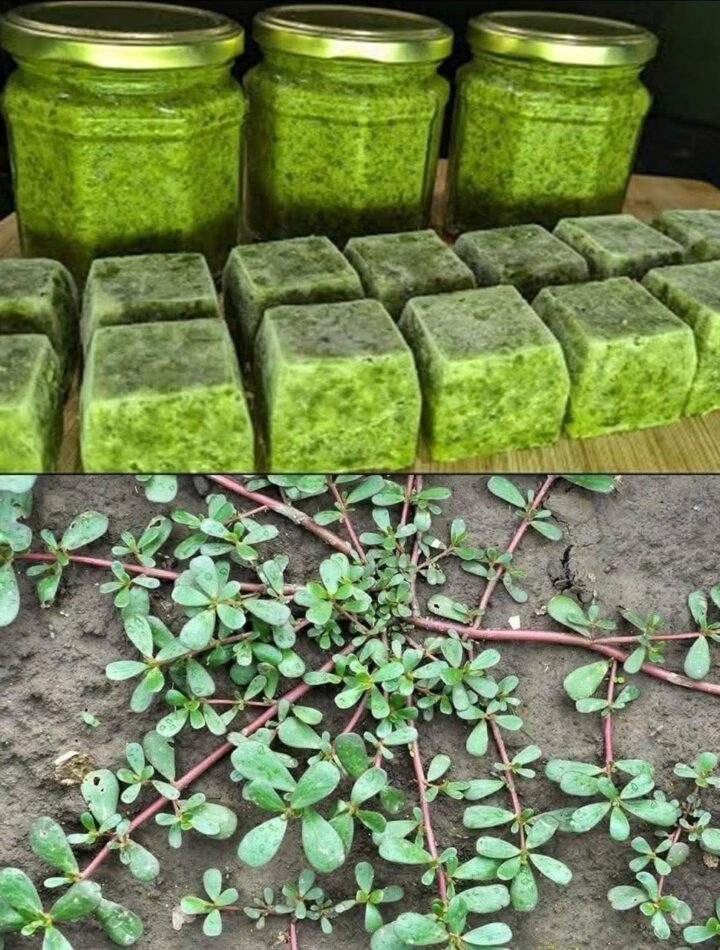
Purslane, also known as Portulaca oleracea, may look like an ordinary garden weed, but it is actually an edible leafy vegetable enjoyed in many parts of the world. It has a crisp, slightly sour flavor and can be eaten raw or cooked. Nutritionally, purslane provides potassium, magnesium, calcium, vitamin C, carotenoids, and plant-based omega-3 fatty acid (ALA). (PubMed Central (PMC))
For adults over 60, adding a modest amount of purslane to meals can be an easy way to increase vegetable variety. However, claims that eating it every day will “reverse” disease or dramatically transform health are not supported by strong evidence. Here’s what we actually know.
A Nutrient-Dense Leafy Green
One of purslane’s biggest advantages is that it provides considerable nutrition for relatively few calories. USDA-derived food data lists roughly 20 calories per 100 grams of raw purslane, along with about 494 mg of potassium and 68 mg of magnesium. (What You Eat)
These minerals are important as we age. Potassium contributes to normal muscle and nerve function, while magnesium participates in numerous processes throughout the body.
Purslane also contains calcium and iron, making it a useful addition to an overall varied diet.
It Provides Plant-Based Omega-3 Fatty Acids
Purslane is unusual among leafy vegetables because it contains alpha-linolenic acid, or ALA, an essential plant-based omega-3 fatty acid. Research has identified purslane as one of the richer vegetable sources of ALA. (PubMed Central (PMC))
Omega-3 fats are associated with cardiovascular health, although ALA from plants is not identical to the EPA and DHA found in fish and seafood. Your body can convert ALA to EPA and DHA, but the conversion is limited.
So, purslane can complement a healthy diet, but it should not automatically be considered a replacement for all other omega-3 sources.
Antioxidants Add Another Benefit
Purslane contains vitamin C, vitamin E, beta-carotene and other plant compounds with antioxidant activity. (PubMed Central (PMC))
Antioxidants help protect cells from oxidative damage. A diet containing a variety of colorful vegetables, fruits, legumes, nuts and whole grains naturally supplies many different antioxidant compounds.
This is especially valuable as part of an overall healthy eating pattern rather than relying on one particular plant.
What About Heart Health?
This is one area where research is interesting, although it should not be overstated.
A systematic review and meta-analysis of randomized controlled trials found that purslane consumption was associated with reductions in triglycerides, total cholesterol and C-reactive protein, while HDL cholesterol increased. LDL cholesterol, however, did not significantly change. (PubMed)
Another recent systematic review has investigated the possible effects of purslane on blood pressure. The results are promising enough to justify further research, but the studies differed in dosage, preparation and participant characteristics. (PubMed Central (PMC))
For someone over 60, the practical takeaway is simple: purslane can be part of a heart-conscious diet, but it shouldn’t replace prescribed medications or established treatments.
It May Support a Balanced Diet as You Age
After 60, appetite, activity levels and nutritional needs can change. Some people find it harder to eat enough vegetables and nutrient-rich foods.
Purslane offers an easy option because it can be incorporated into familiar dishes. Add young leaves to salads, stir them into soups, fold them into eggs, or sauté them with garlic and olive oil.
It has a pleasantly juicy texture and a mild lemony or tangy flavor that can brighten simple meals.
A Simple Purslane Salad
Ingredients
- 2 cups fresh purslane leaves and tender stems
- 1 medium tomato, chopped
- ½ cucumber, sliced
- 2 tablespoons plain yogurt
- 1 tablespoon extra-virgin olive oil
- 1 teaspoon lemon juice
- 1 small garlic clove, finely minced
- Pinch of salt
- Black pepper, to taste
- Optional: fresh mint or parsley
Instructions
- Wash the purslane thoroughly. Remove damaged leaves and tough stems. Rinse several times under clean running water and drain well.
- Prepare the vegetables. Chop the tomato and slice the cucumber.
- Make the dressing. Whisk together yogurt, olive oil, lemon juice and garlic. Add a little black pepper and salt.
- Combine. Place the purslane, tomato and cucumber in a bowl. Pour the dressing over the top.
- Toss gently. Mix until everything is lightly coated.
- Serve immediately. Add mint or parsley if desired.
This makes a refreshing side dish for grilled chicken, fish, beans, lentils or whole-grain bread.
An Important Caution: Oxalates
Purslane isn’t necessarily appropriate in unlimited quantities for everyone.
One important consideration is its oxalate content. Research has reported relatively high levels of oxalates in purslane. High oxalate intake can be relevant for people who are susceptible to calcium-oxalate kidney stones. (PubMed Central (PMC))
If you have a history of kidney stones, kidney disease, or have been instructed to follow a low-oxalate diet, talk with your healthcare professional before making purslane a daily food.
Older adults taking multiple medications or managing chronic conditions should also discuss significant dietary changes with their healthcare professional.
How Much Should You Eat?
There is no universally established amount of purslane that every person should eat every day. Research studies have used different preparations and doses, making it difficult to recommend one precise daily serving.
Rather than treating purslane as a medicine, think of it as one nutritious vegetable among many.
A small serving incorporated into a varied diet is a more sensible approach than consuming very large quantities. The evidence does not show that eating huge amounts produces greater health benefits.
Easy Ways to Enjoy Purslane
You don’t need complicated recipes to enjoy it. Try:
- Adding raw leaves to salads
- Mixing chopped purslane into yogurt
- Stirring it into vegetable soup
- Sautéing it with garlic and olive oil
- Adding it to omelets
- Mixing it into bean or lentil dishes
- Using tender leaves in sandwiches
- Combining it with tomatoes, cucumber and lemon
Always make sure wild-foraged purslane is correctly identified and harvested from an area free from pesticides, herbicides, contaminated soil and animal waste.
The Bottom Line
Purslane is an inexpensive, flavorful and nutrient-rich leafy vegetable. It provides potassium, magnesium, calcium, antioxidants and plant-based omega-3 ALA, making it a worthwhile addition to many diets. (What You Eat)
For people over 60, its greatest value is probably not a miraculous single health effect but the simple fact that it can make meals more nutrient-dense and vegetable-rich.
Enjoy it as part of a balanced diet, vary your vegetables, and avoid treating purslane as a cure for any medical condition. And if you have kidney stones, kidney disease, or other dietary restrictions, check with your healthcare professional before eating it regularly.