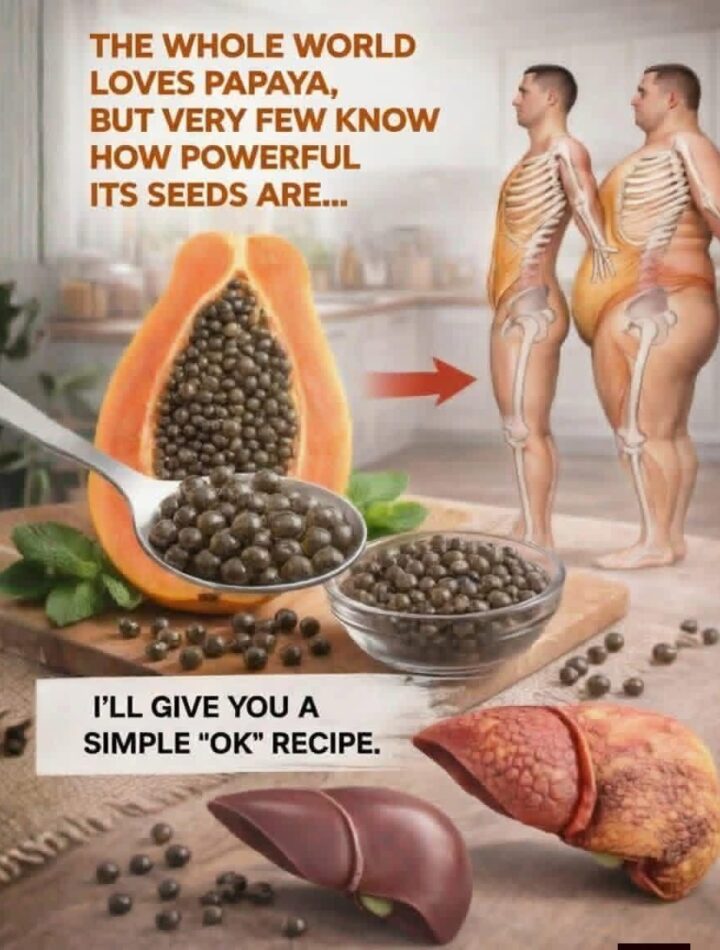
Papaya seeds are often thrown away, but these small black seeds contain fiber, healthy fats, and various plant compounds, including polyphenols and other phytochemicals. Research has shown interesting antioxidant and antimicrobial properties, although many popular claims about papaya seeds are stronger than the available human evidence.
Rather than saying papaya seeds can “erase” diseases, it is more accurate to look at 10 areas of health that papaya seeds may potentially support and understand how to use them responsibly.
1. Digestive Health
Papaya seeds contain dietary fiber, which can contribute to normal bowel function. Fiber helps add bulk to stool and may support regularity when combined with adequate fluids and an overall fiber-rich diet.
Because papaya seeds have a strong, peppery flavor, only a small culinary amount is generally needed. Eating excessive quantities can instead cause nausea, cramps, or diarrhea.
2. Occasional Constipation
One reason papaya seeds attract attention is their fiber content. A balanced diet containing fruits, vegetables, whole grains, beans, and adequate water remains the more reliable approach to preventing constipation.
Papaya seeds can be incorporated occasionally into foods, but they should not be viewed as a powerful laxative or treatment for chronic constipation.
3. Antioxidant Support
Papaya seeds contain plant compounds with antioxidant activity. Antioxidants help protect cells from oxidative stress, although consuming an antioxidant-containing food does not mean it can prevent or cure a particular disease.
A varied diet containing fruits, vegetables, nuts, seeds, and whole grains provides a much broader range of protective plant compounds.
4. Interest in Intestinal Parasites
This is one of the most frequently repeated claims about papaya seeds. There is some human research worth mentioning, but it is limited.
A small 2007 pilot study involving 60 Nigerian children found that an elixir containing dried papaya seeds and honey was associated with greater stool parasite clearance than honey alone.
However, this was a small study, and larger trials are needed. Medical experts therefore do not recommend relying on papaya seeds instead of proper diagnosis and established antiparasitic treatment.
If someone experiences unexplained weight loss, persistent diarrhea, abdominal problems, anemia, or sees worms in stool, medical evaluation is more appropriate than attempting a home “parasite cleanse.”
5. Possible Antimicrobial Properties
Laboratory research has identified compounds in papaya seeds that may have antimicrobial effects. These findings are scientifically interesting, but laboratory activity does not automatically mean that eating papaya seeds will treat an infection in humans.
For bacterial, fungal, or other infections, appropriate diagnosis and treatment remain important.
6. Supporting a Balanced Diet
Papaya seeds contain fiber, fats, and various phytochemicals.
Adding a small amount to a meal can therefore be an interesting way to use more of the whole fruit rather than automatically discarding the seeds.
Try sprinkling a few cleaned, crushed seeds over a salad or blending a small amount into a smoothie. Their flavor is bitter and peppery, somewhat similar to black pepper.
7. Heart-Friendly Eating Patterns
The seeds contain fatty acids and plant compounds, but there is not enough evidence to claim that papaya seeds specifically prevent heart disease or lower cholesterol in humans.
Instead, think of them as one small ingredient within a heart-supportive eating pattern that emphasizes vegetables, fruits, legumes, whole grains, nuts, seeds, and appropriate sources of unsaturated fats.
8. Weight-Management Support
Papaya seeds are sometimes promoted online as a natural fat-burning food. There is not strong evidence that eating papaya seeds produces meaningful weight loss.
If you enjoy them, use a small amount as a flavorful food ingredient rather than expecting them to burn body fat. Sustainable weight management depends much more on overall dietary habits, physical activity, sleep, and appropriate calorie intake.
9. Liver and Kidney Health Research
Scientists have investigated papaya seeds and their phytochemicals for possible protective effects in laboratory and animal research. Reviews describe antioxidant, gastroprotective, antimicrobial, and other potentially beneficial activities. However, researchers also emphasize that additional human research is needed to establish effective doses and safety.
This means papaya seeds should not be marketed as a “liver detox” or kidney treatment. Your liver and kidneys already perform essential filtering and metabolic functions, and medical problems involving these organs require professional care.
10. Adding Variety to Everyday Foods
Perhaps the simplest benefit is culinary. Instead of throwing away papaya seeds, you can wash, dry, crush, and use a small quantity as a peppery ingredient.
Simple Papaya Seed Sprinkle
Ingredients:
- 1 tablespoon fresh papaya seeds
- 1 cup ripe papaya
- ½ cup plain yogurt
- ½ teaspoon honey, optional
- A squeeze of fresh lime
Directions:
- Scoop the seeds from a ripe papaya and rinse away the surrounding fruit.
- Pat them dry with a clean towel.
- Crush a small amount using a mortar and pestle, or simply leave them whole.
- Combine ripe papaya and yogurt in a bowl.
- Add a small amount of crushed papaya seeds.
- Add lime juice and optional honey.
- Stir gently and enjoy immediately.
The seeds provide a distinctive peppery bite while the ripe papaya contributes sweetness and a soft texture.
Important Safety Information
Papaya seeds are edible, but more is not necessarily better. Larger amounts can cause stomach discomfort, nausea, or diarrhea. There is also no universally established medical daily dose for papaya seeds.
People who are pregnant, trying to conceive, breastfeeding, or giving foods to young children should be especially cautious with regular or concentrated papaya-seed consumption because safety information is limited. Concentrated extracts and large “cleansing” doses should not be treated like ordinary food.
Most importantly, papaya seeds should not replace prescribed medication. Claims that they can cure parasites, diabetes, cancer, liver disease, or other serious conditions are not supported by sufficient clinical evidence.