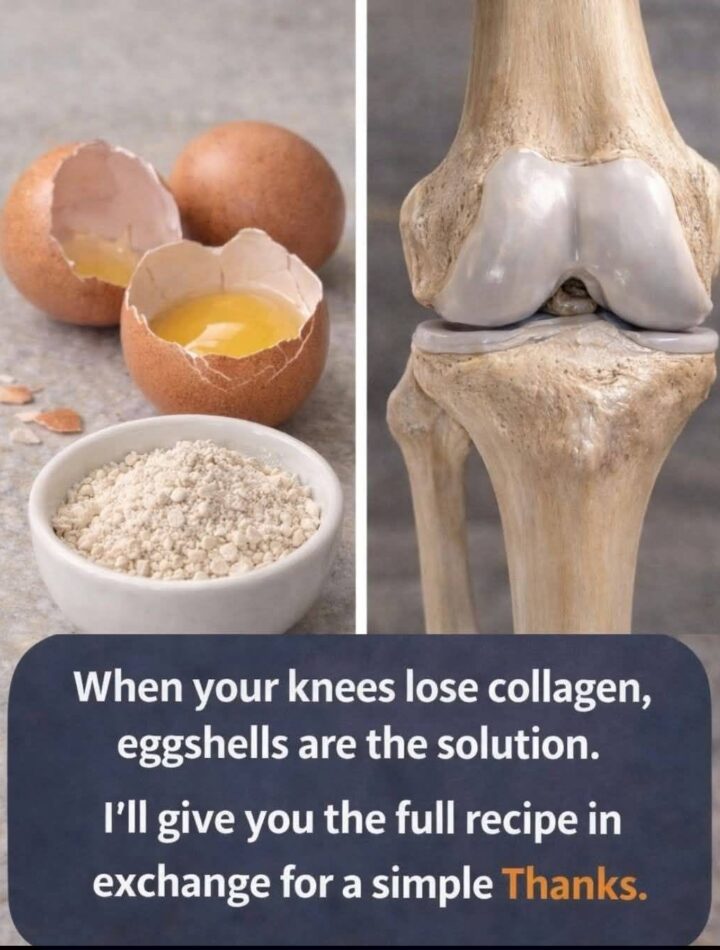
Eggshells are something most people toss into the trash without a second thought. Surprisingly, eggshells are made largely of calcium carbonate, along with small amounts of other minerals and proteins. This has led to interest in carefully prepared eggshell powder as a possible ingredient for supporting dietary calcium intake and overall bone health.
However, eggshells should not be viewed as a cure for arthritis, joint pain, inflammation, or other medical conditions. Research into eggshell membranes and eggshell-derived calcium is still developing, and homemade preparations are not equivalent to clinically tested supplements. If you have persistent joint pain, swelling, or stiffness, speak with a healthcare professional.
If you would like to explore eggshell powder as a food ingredient, proper preparation and hygiene are especially important.
Why Are Eggshells Interesting?
The hard shell surrounding an egg contains a high proportion of calcium carbonate. Calcium is an essential mineral involved in maintaining normal bones and teeth, as well as supporting normal muscle and nerve function.
Eggshells also contain an inner membrane made from proteins. This membrane has attracted scientific interest because it contains compounds such as collagen and other structural proteins. Some research has investigated eggshell membrane preparations in relation to joint comfort, although evidence is not strong enough to claim that homemade eggshell products treat joint problems.
The important distinction is that supporting normal nutrition is different from treating a disease.
Homemade Eggshell Powder
If you want to prepare eggshell powder, use clean shells from properly handled eggs.
Ingredients
- 6–8 clean eggshells
- Water for washing
- Optional: a small amount of food-safe cinnamon for flavor when adding the powder to food
Equipment
- Saucepan
- Clean baking sheet
- Oven
- Coffee grinder, spice grinder, or high-powered blender
- Fine sieve
- Clean, dry airtight container
Step 1: Clean the Eggshells
After using the eggs, rinse the shells thoroughly under running water. Remove any visible egg residue from the inside.
Because raw eggs can carry bacteria such as Salmonella, hygiene matters. Wash your hands, utensils, and preparation surfaces carefully.
Do not use shells that are dirty, cracked, contaminated, or have been left sitting at room temperature for a long time.
Step 2: Heat the Shells
Place the cleaned shells in a saucepan and cover them with water. Bring the water to a boil and continue boiling for approximately 10 minutes.
Drain the shells and allow them to cool enough to handle safely.
This step is intended to improve food safety, but it does not guarantee that every possible contaminant has been eliminated. Starting with properly handled eggs remains important.
Step 3: Dry Completely
Spread the boiled shells over a clean baking sheet.
Place them in an oven at about 200°F (95°C) for approximately 10–15 minutes, or until they are thoroughly dry.
Let them cool completely before grinding.
Completely dry shells grind more easily and are less likely to spoil during storage.
Step 4: Grind Into Powder
Break the shells into smaller pieces and place them in a clean spice grinder, coffee grinder, or powerful blender.
Process until the shells become a very fine powder.
A fine texture is important because larger shell fragments can be unpleasant and may present a choking or irritation hazard.
Sift the powder through a fine sieve and regrind any remaining coarse pieces.
Step 5: Store Properly
Transfer the finished powder into a clean, completely dry airtight container.
Store it in a cool, dry location and use a clean, dry spoon whenever you handle it.
For homemade preparations, making small batches is preferable to keeping the powder for a long time.
How Can You Use Eggshell Powder?
Rather than consuming large amounts, eggshell powder can be incorporated into ordinary foods in very small quantities. For example, some people mix a tiny amount into yogurt, oatmeal, smoothies, or other soft foods.
However, there is no universally established safe homemade dosage for eggshell powder. Because eggshell is highly concentrated in calcium, taking excessive amounts could contribute to excessive calcium intake.
If you already take calcium supplements, vitamin D supplements, or medications affected by calcium, ask your doctor or pharmacist before using eggshell powder.
What About Joint Comfort?
Joint discomfort can have many causes, including normal aging, previous injuries, osteoarthritis, inflammatory conditions, overuse, and other medical problems.
Eggshell calcium may contribute calcium to the diet, which is important for skeletal health, but that does not mean it directly lubricates joints or repairs damaged cartilage.
Eggshell membrane is a separate component from eggshell calcium, and research involving standardized eggshell membrane supplements should not automatically be interpreted as evidence that homemade eggshell powder produces the same effects.
A balanced diet, healthy body weight, regular movement, adequate sleep, and appropriate medical care are generally much more important foundations for maintaining joint and bone health.
Important Safety Considerations
Homemade eggshell powder is not appropriate for everyone.
People with kidney disease, a history of kidney stones, disorders affecting calcium levels, or certain medical conditions should seek professional advice before increasing calcium intake.
Pregnant individuals, children, older adults taking multiple medications, and anyone receiving treatment for a chronic condition should also discuss supplements or concentrated food ingredients with a healthcare professional.
Calcium can interact with the absorption of certain medications, including some thyroid medicines and antibiotics, so timing can matter.
Most importantly, don’t use eggshell powder as a replacement for prescribed treatment.
A Better Everyday Approach to Joint and Bone Health
If your goal is stronger bones and comfortable movement, consider building a broader routine rather than relying on one ingredient.
Include calcium-rich foods such as dairy products, fortified plant milks, calcium-set tofu, certain leafy greens, and canned fish with edible bones when appropriate. Vitamin D is also important because it helps the body absorb calcium.
Regular weight-bearing exercise can help support bone strength, while gentle activities such as walking, swimming, cycling, stretching, or strength training may help maintain mobility.
Maintaining a healthy body weight can also reduce unnecessary stress on weight-bearing joints.