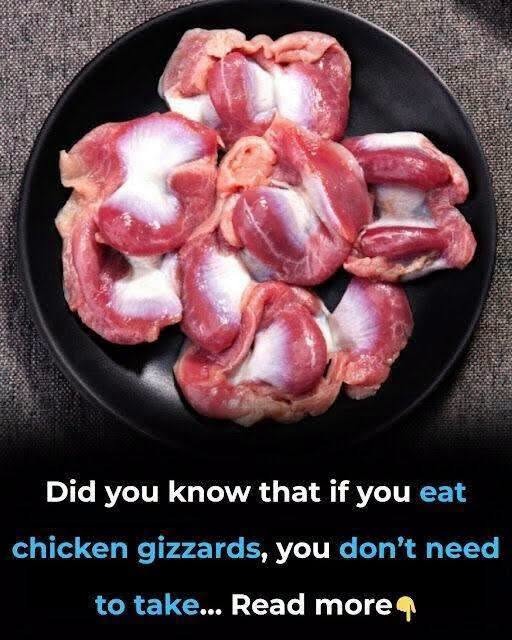
Chicken gizzards are one of those underrated ingredients that can become incredibly delicious when cooked properly. They have a naturally rich, meaty flavor and a pleasantly firm texture. Gizzards are also nutrient-dense, providing protein along with several vitamins and minerals, including iron, zinc, selenium, and vitamin B12. Because they are an organ meat, they can be a flavorful way to add variety to your meals.
The secret to delicious chicken gizzards is patience. Since gizzards are a hardworking muscle, they can be chewy if cooked quickly. Simmering them gently until tender before giving them a final sauté creates a dish that is savory, juicy, and full of flavor.
Ingredients
- 2 pounds chicken gizzards, cleaned and trimmed
- 1 medium onion, finely chopped
- 5 cloves garlic, minced
- 2 tablespoons cooking oil
- 1 tablespoon butter
- 2 cups chicken broth or water
- 1 tablespoon Worcestershire sauce
- 1 teaspoon smoked paprika
- 1 teaspoon dried thyme
- 1/2 teaspoon black pepper
- 1/2 teaspoon salt, or to taste
- 1/4 teaspoon cayenne pepper, optional
- 1 bay leaf
- 1 tablespoon fresh lemon juice
- 2 tablespoons chopped fresh parsley
- Optional: sliced green onions for serving
Preparing the Gizzards
Start by rinsing the cleaned chicken gizzards under cool running water and patting them dry with paper towels. Trim away any tough connective tissue or excess fat you notice.
Although some gizzards are sold already cleaned, it’s worth checking each one carefully. Cut larger gizzards into bite-sized pieces so they cook evenly.
Patting them dry also helps them brown nicely during the final cooking stage.
Step 1: Simmer Until Tender
Place the gizzards in a medium or large saucepan. Add the chicken broth, bay leaf, half of the chopped onion, half of the garlic, thyme, paprika, black pepper, and a small amount of salt.
Bring the liquid to a gentle boil, then reduce the heat to low. Cover the pan and allow the gizzards to simmer gently for approximately 60 to 90 minutes, or until they become tender when pierced with a fork.
The exact cooking time can vary depending on the size and age of the gizzards. Don’t rush this step. Gentle simmering helps break down the firm muscle fibers and gives you a much more tender finished dish.
Once tender, drain the gizzards, reserving about 1/2 cup of the cooking liquid. Remove the bay leaf.
Step 2: Build the Flavor
Heat the cooking oil and butter in a large skillet over medium-high heat.
Add the remaining chopped onion and cook for about 3 to 4 minutes, stirring occasionally, until it begins to soften. Add the remaining garlic and cook for another 30 seconds.
Be careful not to burn the garlic because burnt garlic can become bitter.
Add the cooked gizzards to the skillet. Spread them into a single layer as much as possible and allow them to cook for several minutes without constantly stirring. This gives the outside a beautiful golden-brown color and adds another layer of flavor.
Turn the pieces occasionally and continue cooking for about 6 to 8 minutes.
Step 3: Season and Finish
Add the Worcestershire sauce, remaining paprika, black pepper, and cayenne pepper if you’re using it.
Pour in a few tablespoons of the reserved cooking liquid and stir well. Let everything simmer together for another 3 to 5 minutes.
The liquid will combine with the browned bits in the pan to create a light, savory coating around the gizzards.
Taste and adjust the seasoning. Add more salt or pepper if necessary.
Turn off the heat and stir in the fresh lemon juice. The small amount of acidity brightens the rich flavor of the dish without making it taste strongly of lemon.
Finish with freshly chopped parsley and sliced green onions if desired.
Serving Suggestions
These garlic chicken gizzards are delicious served hot with steamed rice, mashed potatoes, roasted potatoes, or buttered noodles. For a lighter meal, serve them with sautéed cabbage, green beans, collard greens, or a crisp garden salad.
You can also serve the gizzards as an appetizer. Simply cut them into smaller pieces, brown them well in the skillet, and serve them with a dipping sauce such as garlic aioli, hot sauce, or a tangy mustard sauce.
For extra richness, make a quick pan sauce after removing the gizzards. Add a little of the reserved broth to the skillet and scrape up the browned bits from the bottom. A small knob of butter stirred in at the end makes a simple and flavorful sauce.
Helpful Tips for Tender Gizzards
Don’t skip the simmering step. While gizzards can be fried directly, slow cooking first is one of the easiest ways to make them tender.
Keep the heat gentle. A rolling boil can make the texture tougher. A low, steady simmer works better.
Brown them afterward. Simmering creates tenderness, while the final skillet cooking creates delicious caramelized flavor.
Season in layers. Adding herbs and spices during simmering and again during the skillet stage gives the dish deeper flavor.
Use fresh garlic. Freshly minced garlic provides much more flavor than garlic powder in this recipe.
Don’t overcook after tenderizing. Once the gizzards are tender, the final skillet stage only needs a few minutes to brown and flavor them.
Why Give Chicken Gizzards a Try?
Chicken gizzards may not be the first ingredient people reach for, but they are economical, flavorful, and nutrient-dense. They provide high-quality protein and are naturally rich in several micronutrients. As with other organ meats, portion size and overall dietary variety matter, so they are best enjoyed as part of a balanced diet rather than treated as a cure-all food.
If you’ve never tried gizzards before, this recipe is a great introduction. The long, gentle simmer makes them tender, while the garlic, onions, herbs, Worcestershire sauce, and butter add plenty of savory flavor.
Storage and Reheating
Allow leftover gizzards to cool before transferring them to an airtight container. Refrigerate and use within 3 to 4 days.
To reheat, place them in a skillet over medium-low heat with a splash of chicken broth or water. Cover and warm gently until heated through. Avoid overheating them for a long time because this can make the texture firm again.
You can also freeze cooked gizzards in an airtight freezer-safe container. Thaw them in the refrigerator before reheating.