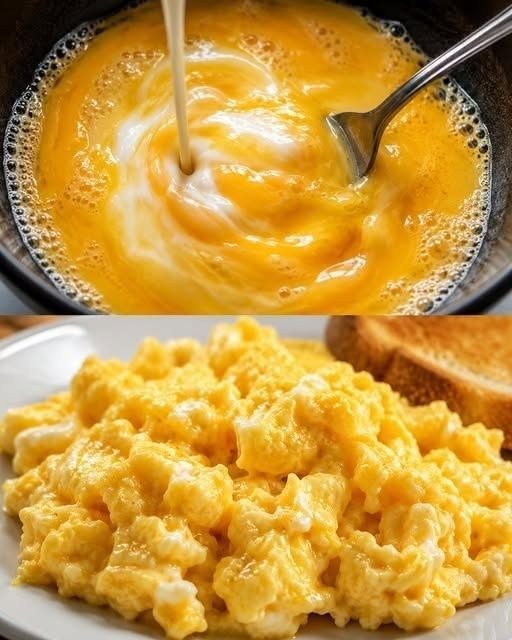
Soft scrambled eggs are one of the easiest ways to enjoy a nourishing, protein-rich breakfast. This healthy version creates eggs that are soft, creamy, fluffy, and gently cooked, without needing lots of butter or heavy cream. The secret is simple: use fresh eggs, cook them slowly over low heat, and remove them from the pan while they still look slightly moist.
Perfect for breakfast, brunch, or a quick light meal, these scrambled eggs pair beautifully with whole-grain toast, fresh fruit, avocado, sautéed vegetables, or a simple salad.
Ingredients
Serves 2
- 4 large eggs
- 2 tablespoons milk or unsweetened plant-based milk
- 1 teaspoon olive oil or ½ teaspoon butter
- ¼ teaspoon salt, or to taste
- ⅛ teaspoon black pepper
- 1 tablespoon chopped fresh chives or parsley, optional
- 1 tablespoon finely grated cheese, optional
- Whole-grain toast, avocado, tomatoes, or vegetables for serving
Why Make Soft Scrambled Eggs?
Eggs are naturally rich in protein and provide several important nutrients. They are also quick to prepare, making them especially useful when you want a satisfying breakfast without spending much time in the kitchen.
The goal of this recipe is not to cook the eggs until they become dry or firm. Instead, gentle heat allows the eggs to form small, tender curds while retaining their soft texture.
Using a small amount of olive oil or butter keeps the recipe simple and flavorful. You can also add herbs or vegetables for extra flavor and variety.
Step 1: Prepare the Eggs
Crack the eggs into a medium bowl. Check that no pieces of shell have fallen into the bowl.
Add the milk, salt, and black pepper. Using a fork or whisk, beat the eggs until the yolks and whites are completely combined.
You do not need to whip the eggs aggressively. A smooth mixture with a little air incorporated into it is enough.
For especially creamy eggs, let the mixture sit for a minute while you prepare your skillet.
Step 2: Heat the Pan
Place a nonstick skillet over low to medium-low heat.
Add the olive oil or butter and allow it to warm gently. If using butter, avoid letting it become dark or browned.
The low temperature is one of the most important parts of making soft scrambled eggs. High heat cooks the outside too quickly and can produce dry, rubbery curds.
A gentle cooking temperature gives you much more control.
Step 3: Add the Egg Mixture
Pour the beaten eggs into the skillet.
Let them sit undisturbed for approximately 10 to 15 seconds. As the edges begin to set, use a silicone spatula to gently move the eggs from the outside toward the center.
Continue making slow, sweeping movements.
Do not constantly stir the eggs into tiny pieces. Instead, gently fold and push them so they form larger, soft curds.
Step 4: Cook Slowly
Continue cooking over low heat for about 2 to 4 minutes, depending on the size of your pan and your preferred texture.
As the eggs begin to thicken, keep folding them gently.
They should look creamy and softly set rather than completely firm. When you tilt the skillet, there should not be a large amount of liquid egg running across the pan, but the curds should still appear moist.
Remember that eggs continue cooking from residual heat after you remove them from the stove.
For this reason, take them off the heat just before they reach your ideal final texture.
Step 5: Finish the Eggs
Remove the skillet from the heat.
Taste the eggs and add a little more salt or black pepper if needed. Sprinkle with chopped chives or parsley for a fresh finish.
If you enjoy cheesy scrambled eggs, add a small amount of finely grated cheese while the eggs are still warm. Fold gently until the cheese melts.
Avoid adding too much cheese if you’re aiming for a lighter breakfast.
How to Get Extra-Soft Scrambled Eggs
The most important technique is low and slow cooking.
Here are a few additional tips:
Use fresh eggs
Fresh eggs generally produce a pleasant texture and rich flavor. Store eggs properly and use them before their recommended date.
Don’t use excessive milk
A small amount of milk can make scrambled eggs tender, but adding too much liquid can make them watery. Two tablespoons for four eggs is plenty.
Keep the heat low
This is the biggest secret. High heat may seem faster, but it makes it much easier to overcook eggs.
Use a flexible spatula
A silicone spatula allows you to gently scrape the bottom and fold the eggs without breaking them into overly small pieces.
Remove them early
Soft scrambled eggs should look slightly underdone when they leave the skillet. They will continue cooking on the plate.
Healthy Serving Ideas
Soft scrambled eggs can be served in many different ways.
For a balanced breakfast, serve them with a slice of whole-grain toast and fresh fruit. Avocado adds a creamy texture and pairs particularly well with eggs.
For extra vegetables, serve the eggs alongside sautéed spinach, mushrooms, tomatoes, bell peppers, or zucchini.
You can also turn them into a breakfast bowl by adding the eggs to cooked quinoa or brown rice with vegetables and fresh herbs.
Another simple option is an egg-and-avocado toast. Spread mashed avocado over toasted whole-grain bread, add the soft scrambled eggs, and finish with black pepper and chopped herbs.
Vegetable Scrambled Eggs
If you want to increase the vegetable content, cook finely chopped vegetables before adding the eggs.
Try:
- Spinach
- Mushrooms
- Bell peppers
- Tomatoes
- Zucchini
- Green onions
- Broccoli
Cook firm vegetables until tender, then add the egg mixture and continue with the recipe.
Avoid adding too many watery vegetables at once because they can release moisture and change the texture of the eggs.
Flavor Variations
You can easily change the flavor of these scrambled eggs without making the recipe complicated.
For a Mediterranean-inspired version, add chopped tomatoes, parsley, and a small amount of feta.
For a fresh herb version, use chives, dill, parsley, or cilantro.
For a mild spicy version, add a pinch of paprika or a few drops of hot sauce.
For a cheesy breakfast, stir in a tablespoon of shredded cheddar, mozzarella, or another favorite cheese.
You can also add a small amount of smoked paprika for a deeper savory flavor.
Common Mistakes to Avoid
Cooking over high heat: This often results in tough eggs.
Overstirring: Constantly breaking the eggs apart creates very small curds and can make them dry.
Overcooking: If the eggs look completely dry in the skillet, they will probably be firmer than intended once served.
Adding too much liquid: Excess milk can prevent the eggs from developing the creamy texture you’re looking for.
Leaving the eggs in the hot pan: Even after the burner is turned off, the skillet remains hot and continues cooking the eggs.
Storage and Reheating
Scrambled eggs are best enjoyed immediately because their texture is at its softest when freshly cooked.
If you have leftovers, place them in an airtight container and refrigerate them promptly. When reheating, use gentle heat and warm them only until heated through. Avoid repeatedly reheating them because this can make the eggs dry and rubbery.
For the best results, prepare only the amount you plan to eat.
Nutrition-Friendly Tips
For a lighter version, use olive oil instead of a larger quantity of butter and serve the eggs with vegetables and whole-grain toast.
If you’re looking for additional protein, you can add extra egg whites while keeping one or two whole eggs for flavor and texture.
Fresh herbs, vegetables, black pepper, paprika, and other seasonings can provide plenty of flavor without requiring large amounts of added fat or salt.
Keep in mind that individual nutritional needs vary, so portion sizes and ingredients can be adjusted to suit your overall eating pattern.