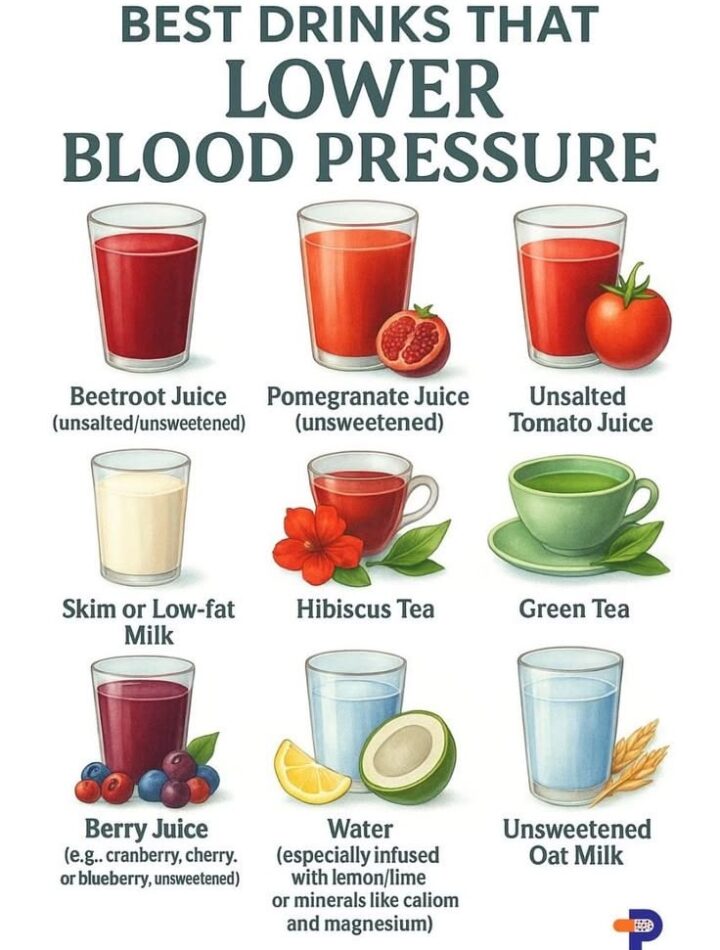
High blood pressure is a common health concern, and everyday food and drink choices can play an important role in managing it. However, no beverage can safely or reliably lower blood pressure fast in the way prescription treatment can. A heart-healthy eating pattern, lower sodium intake, adequate potassium from food, physical activity, healthy weight management, and prescribed medication are much more important for long-term control. The American Heart Association recommends approaches such as the DASH eating pattern for people working to improve blood pressure. (professional.heart.org)
That said, choosing healthier beverages can support a blood-pressure-friendly lifestyle. Here are five options worth including in your routine.
1. Water
Plain water is one of the simplest choices for supporting overall cardiovascular health. Staying adequately hydrated helps your body maintain normal circulation and allows the kidneys to regulate fluids and electrolytes.
Water is especially useful when it replaces beverages containing large amounts of added sugar or sodium. The American Heart Association’s current dietary guidance recommends minimizing added sugars in foods and beverages and choosing mostly minimally processed foods. (professional.heart.org)
Simple idea
Try chilled water with slices of lemon, cucumber, orange, or fresh mint. These additions can provide flavor without needing added sugar.
Tip: Water itself isn’t a blood-pressure medicine, so don’t expect a dramatic immediate drop after drinking it.
2. Low-Fat or Fat-Free Milk
Milk can contribute calcium, protein, and potassium to the diet. Low-fat and fat-free dairy products are included in the DASH eating pattern, which has been shown to help reduce blood pressure. (professional.heart.org)
Choose plain milk rather than heavily sweetened flavored varieties when possible. If you prefer plant-based milk, check the nutrition label and select an unsweetened variety that provides useful nutrients and isn’t high in sodium.
Easy serving
Enjoy a glass with breakfast, blend it into a fruit-and-oat smoothie, or use it in overnight oats.
3. A Low-Sodium Vegetable Smoothie
A homemade vegetable-based smoothie can be a convenient way to increase your intake of vegetables and potassium-rich foods. Potassium is important because increasing dietary potassium while reducing sodium is part of evidence-based blood-pressure management. (professional.heart.org)
Try blending:
- 1 cup unsalted tomato juice
- ½ cucumber
- A handful of spinach
- A squeeze of lemon
- A few fresh herbs
- Ice as needed
The key is to choose low-sodium tomato or vegetable juice. Some packaged vegetable drinks contain substantial amounts of sodium, which can work against your goal.
4. Beetroot Juice
Beetroot juice has attracted attention because beets naturally contain nitrate, which the body can convert into nitric oxide. Nitric oxide is involved in blood-vessel relaxation and circulation.
Research on beetroot products has investigated their potential cardiovascular effects, although results vary depending on the population, dose, and preparation. Beetroot juice should therefore be viewed as a possible addition to a healthy diet—not as a replacement for medical treatment.
For a simple option, blend cooked or raw beet with water and a small amount of lemon, then strain if desired. Avoid turning the drink into a sugary beverage by adding large amounts of sweeteners or fruit juice.
If you take blood-pressure medication, monitor your readings rather than assuming beetroot juice will produce a predictable effect.
5. A Potassium-Rich Fruit Smoothie
A homemade smoothie made from whole fruits can provide potassium and other nutrients. Good choices include bananas, oranges, berries, and unsweetened yogurt or milk.
Try this combination:
- 1 small banana
- ½ cup berries
- ½ orange, peeled
- ½ cup plain low-fat yogurt
- ½ cup water
- Ice
Blend until smooth.
Whole fruits are generally preferable to large amounts of fruit juice. In fact, recent research highlighted by the American Heart Association found that replacing sugary beverages and fruit juice with whole fruit was associated with a lower risk of developing high blood pressure. (American Heart Association)
What About Green Tea?
Unsweetened green tea can also be a reasonable beverage choice because it contains polyphenols and has no added sugar when prepared without sweeteners. However, it should not be presented as a quick treatment for high blood pressure.
Likewise, avoid relying on “detox drinks,” concentrated herbal mixtures, or supplements that promise to dramatically lower blood pressure within hours. Natural does not automatically mean safe, and some products can interact with medications.
A Better Daily Approach
Rather than looking for one drink that lowers blood pressure instantly, focus on your overall beverage pattern.
Choose water regularly, limit sugary drinks, avoid excessive sodium, and favor unsweetened beverages. Pair these habits with a DASH-style eating pattern rich in vegetables, fruits, whole grains, and appropriate low-fat dairy foods. The American Heart Association’s current guidance emphasizes vegetables and fruits, whole grains, healthier protein sources, unsaturated fats, lower sodium, and fewer added sugars. (professional.heart.org)
Potassium deserves special attention, too. Increasing potassium through foods can help blood-pressure management, although people with kidney disease or those taking certain medications may need individualized potassium advice. (PubMed)
Important Safety Note
If your blood pressure is very high, don’t try to bring it down rapidly with drinks or home remedies. The 2025 AHA/ACC guideline defines stage 2 hypertension as a reading of 140/90 mm Hg or higher, although diagnosis and treatment decisions depend on properly measured readings and clinical circumstances. (professional.heart.org)
If you ever have a blood pressure reading of 180/120 mm Hg or higher, especially with symptoms such as chest pain, shortness of breath, weakness, confusion, vision changes, or difficulty speaking, seek urgent medical attention.
The best beverage for blood-pressure health is ultimately one that fits into a consistent heart-healthy lifestyle. Water, unsweetened drinks, low-fat dairy, vegetable-based beverages, and sensible homemade smoothies can all be useful choices. They may support healthier habits, but they should complement—not replace—medical care, prescribed medication, and regular blood-pressure monitoring.