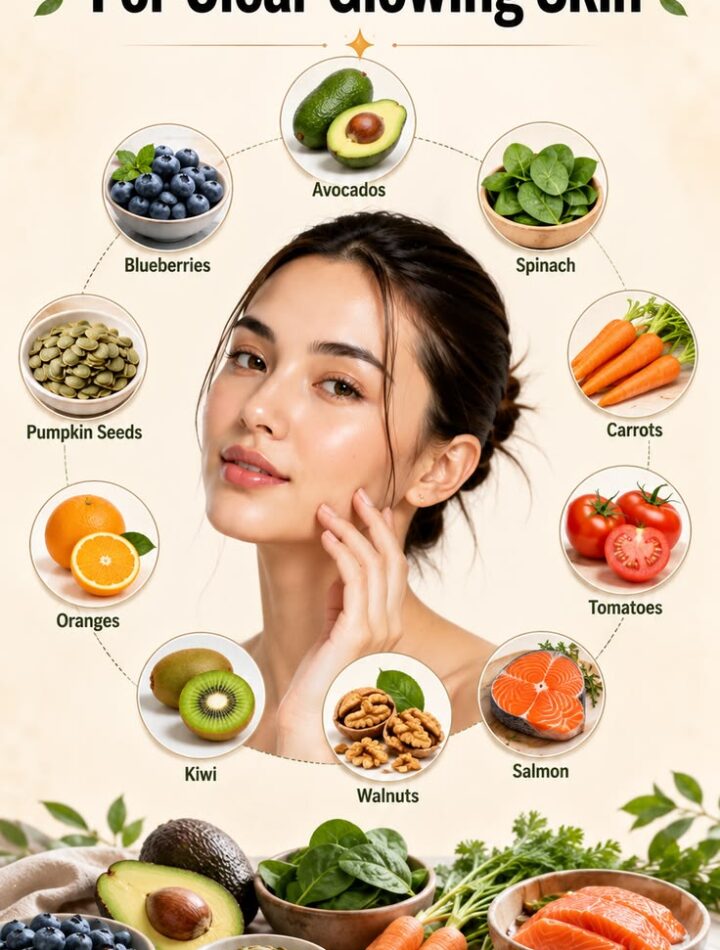
Healthy, radiant skin starts from within. While skincare products can help moisturize and protect your skin, the foods you eat provide important nutrients that support skin health. A balanced diet rich in vitamins, minerals, antioxidants, healthy fats, and protein can help your skin look smoother, brighter, and more refreshed.
Here are 10 superfoods worth adding to your regular meals for naturally healthy-looking skin.
1. Avocados
Avocados are packed with healthy monounsaturated fats, vitamin E, and other nutrients that support the skin. Healthy fats help maintain the skin’s natural moisture barrier, while vitamin E provides antioxidant support.
Try adding sliced avocado to toast, salads, sandwiches, or smoothies. Its creamy texture also makes it an excellent ingredient for homemade dips.
2. Berries
Strawberries, blueberries, raspberries, and blackberries are rich in antioxidants and vitamin C. Antioxidants help protect cells from oxidative stress, while vitamin C is involved in normal collagen production.
Enjoy a handful of fresh berries as a snack, add them to oatmeal, or blend them into a smoothie. Frozen berries can also be a convenient option when fresh fruit isn’t available.
3. Fatty Fish
Salmon, sardines, mackerel, and other oily fish provide omega-3 fatty acids and high-quality protein. Omega-3 fats are important components of cell membranes and may help support the skin’s normal barrier function.
Aim to include fish as part of a balanced diet a couple of times per week. Grilled salmon with vegetables makes an easy, nutrient-rich dinner.
4. Sweet Potatoes
Sweet potatoes are an excellent source of beta-carotene, which the body can convert into vitamin A. Vitamin A plays an important role in normal skin maintenance.
Roast sweet potatoes with herbs and olive oil, mash them as a side dish, or add roasted cubes to grain bowls and salads.
5. Spinach
Spinach contains vitamins, minerals, carotenoids, and antioxidants. Its nutrients contribute to overall health and can complement a diet designed to support healthy skin.
Add fresh spinach to omelets, soups, salads, wraps, or smoothies. Baby spinach is especially easy to incorporate into everyday meals.
6. Nuts and Seeds
Almonds, walnuts, sunflower seeds, chia seeds, and flaxseeds provide healthy fats, vitamin E, minerals, and other beneficial nutrients. Walnuts and flaxseeds are also sources of plant-based omega-3 fatty acids.
Keep a small portion of unsalted nuts or seeds available for a convenient snack. You can also sprinkle them over yogurt, oatmeal, or salads.
7. Tomatoes
Tomatoes contain vitamin C and the antioxidant lycopene. Lycopene is a carotenoid that gives tomatoes their characteristic red color and is best absorbed when tomatoes are consumed with some healthy fat.
Add tomatoes to salads, sandwiches, soups, sauces, or roasted vegetable dishes. Cooked tomato products can also be a flavorful addition to many meals.
8. Citrus Fruits
Oranges, grapefruit, lemons, and other citrus fruits are well known for their vitamin C content. Vitamin C contributes to normal collagen formation, which is important for healthy skin structure.
Enjoy an orange as a snack, add citrus segments to salads, or use lemon juice to brighten vegetables and fish. Whole fruit is generally a better everyday choice than sugary fruit drinks.
9. Eggs
Eggs provide protein along with nutrients such as vitamin B12, selenium, and other essential vitamins and minerals. Protein is important because the body uses amino acids to build and maintain tissues.
Boiled eggs make a simple breakfast or snack, while scrambled eggs can be paired with vegetables and whole-grain toast for a balanced meal.
10. Green Tea
Green tea contains naturally occurring polyphenols and other antioxidant compounds. Replacing sugary beverages with unsweetened green tea can also be an easy way to reduce added sugar intake.
Enjoy it warm or chilled. If you’re sensitive to caffeine, choose a decaffeinated version or limit your intake later in the day.
Build a Skin-Friendly Eating Pattern
Eating one “superfood” occasionally is unlikely to transform your complexion overnight. The bigger benefit comes from consistently eating a variety of nutrient-dense foods.
Try building meals around colorful fruits and vegetables, lean proteins, whole grains, legumes, nuts, seeds, and healthy fats. Adequate hydration is also important for overall health.
It is equally helpful to limit excessive amounts of highly processed foods and added sugars while focusing on a balanced eating pattern.
Final Thoughts
Clear, glowing skin is influenced by many factors, including genetics, sleep, stress, sun exposure, skincare habits, and overall nutrition. Foods such as avocados, berries, fatty fish, sweet potatoes, spinach, nuts, tomatoes, citrus fruits, eggs, and green tea can provide nutrients that support healthy skin as part of a balanced diet.
Rather than looking for a single miracle food, focus on variety and consistency. Colorful, whole foods can nourish your body from the inside while supporting your skin’s natural ability to stay healthy and resilient.