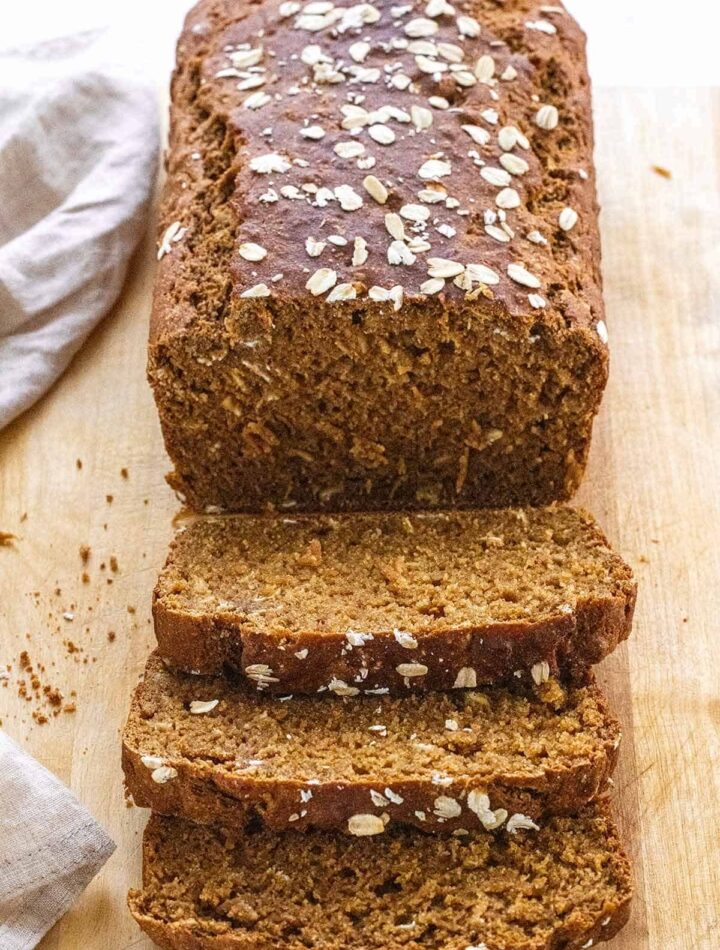
Irish Brown Bread is a hearty, rustic loaf that has been a staple in Irish homes for generations. Unlike yeast breads, this traditional quick bread relies on baking soda as its leavening agent, making it simple to prepare with no kneading or rising time required. Made with whole wheat flour, all-purpose flour, buttermilk, and a few pantry staples, Irish Brown Bread has a nutty flavor, tender crumb, and crisp crust. It pairs beautifully with butter, jam, soups, stews, smoked salmon, or a slice of sharp cheddar cheese.
Whether you’re baking it for breakfast, afternoon tea, or alongside a comforting dinner, this authentic-style Irish Brown Bread is wholesome, satisfying, and incredibly easy to make.
Why You’ll Love This Recipe
- No yeast required
- Ready in about an hour
- Rustic and hearty texture
- Made with simple pantry ingredients
- Perfect with sweet or savory toppings
- Great for beginners
- Freezes well for later
Preparation Time
- Prep Time: 15 minutes
- Baking Time: 40–45 minutes
- Total Time: 1 hour
Servings
Makes 1 loaf (about 10–12 slices)
Ingredients
Dry Ingredients
- 2½ cups whole wheat flour
- 1½ cups all-purpose flour
- 1 teaspoon baking soda
- 1 teaspoon salt
- 2 tablespoons rolled oats (optional, for texture)
Wet Ingredients
- 2 cups buttermilk
- 2 tablespoons honey or molasses
- 2 tablespoons unsalted butter, melted
Optional Topping
- Rolled oats for sprinkling
- A little extra buttermilk for brushing
Equipment Needed
- Large mixing bowl
- Measuring cups and spoons
- Wooden spoon or spatula
- Baking sheet or round cake pan
- Parchment paper
- Cooling rack
- Sharp knife
Instructions
Step 1: Preheat the Oven
Preheat your oven to 400°F (200°C).
Line a baking sheet with parchment paper or lightly grease a round cake pan.
Preparing the pan beforehand allows you to transfer the dough immediately after mixing.
Step 2: Mix the Dry Ingredients
In a large mixing bowl, combine:
- Whole wheat flour
- All-purpose flour
- Baking soda
- Salt
- Rolled oats (if using)
Whisk everything together until evenly distributed.
The baking soda should be thoroughly mixed throughout the flour to ensure an even rise.
Step 3: Combine the Wet Ingredients
In a separate bowl or measuring jug, whisk together:
- Buttermilk
- Honey or molasses
- Melted butter
Mix until smooth.
The honey adds a subtle sweetness while balancing the earthy flavor of the whole wheat flour.
Step 4: Make the Dough
Pour the wet mixture into the bowl of dry ingredients.
Using a wooden spoon or spatula, gently stir until a shaggy dough forms.
The dough should be soft and slightly sticky.
Avoid overmixing, as this can make the bread dense and tough.
If the dough feels too dry, add an extra tablespoon or two of buttermilk.
If it’s overly wet, sprinkle in a little more flour.
Step 5: Shape the Loaf
Transfer the dough onto a lightly floured surface.
Gently shape it into a round loaf.
Do not knead it like yeast bread—simply form it into shape with minimal handling.
Place the loaf onto the prepared baking sheet.
Step 6: Score the Top
Using a sharp knife, cut a deep cross across the top of the loaf.
This traditional cross helps the bread bake evenly and allows steam to escape.
Brush the top lightly with buttermilk and sprinkle with rolled oats if desired.
Step 7: Bake
Bake for 40–45 minutes, or until the loaf is golden brown.
The bread is done when:
- It sounds hollow when tapped on the bottom.
- A skewer inserted into the center comes out clean.
- The crust is firm and lightly crisp.
If the top browns too quickly, loosely cover it with aluminum foil during the final 10 minutes.
Step 8: Cool
Transfer the bread to a cooling rack.
Allow it to cool for at least 30 minutes before slicing.
Cutting the bread while it’s too hot can make the crumb gummy.
Serving Suggestions
Irish Brown Bread is delicious served warm or at room temperature.
Try it with:
- Salted butter
- Strawberry or raspberry jam
- Honey
- Orange marmalade
- Sharp cheddar cheese
- Smoked salmon
- Cream cheese
- Homemade soups
- Beef stew
- Vegetable chowder
- Scrambled eggs
It’s equally enjoyable as part of breakfast, lunch, or dinner.
Storage Instructions
Room Temperature
Wrap the bread in a clean kitchen towel or store it in an airtight container for up to 3 days.
Refrigerator
Refrigerate for up to 5 days, though it is best enjoyed fresh.
Warm slices before serving for the best texture.
Freezer
Slice the cooled loaf and freeze in freezer-safe bags for up to 3 months.
Toast slices directly from frozen whenever needed.
Helpful Tips
- Use fresh baking soda for the best rise.
- Don’t overmix the dough.
- Full-fat buttermilk creates the richest flavor.
- Whole wheat flour gives the bread its traditional taste and texture.
- Score the loaf deeply so it bakes evenly.
- Let the bread cool completely before slicing.
- Measure flour by spooning it into the measuring cup and leveling it off for accuracy.
Delicious Variations
Seeded Irish Brown Bread
Add:
- 2 tablespoons sunflower seeds
- 2 tablespoons pumpkin seeds
- 1 tablespoon flaxseeds
Sprinkle extra seeds on top before baking.
Honey Oat Version
Increase the honey to 3 tablespoons and add an extra ¼ cup rolled oats for a slightly sweeter loaf.
Herb Brown Bread
Mix in:
- 1 tablespoon chopped fresh rosemary
- 1 teaspoon thyme
- Fresh parsley
This version pairs wonderfully with soups and roasted meats.
Raisin Brown Bread
Fold in ½ cup raisins or currants for a lightly sweet breakfast loaf.
Nutty Bread
Add ½ cup chopped walnuts or pecans for extra crunch and flavor.
Nutritional Benefits
Whole wheat flour makes this bread a wholesome choice. It provides:
- Dietary fiber
- Iron
- Magnesium
- B vitamins
- Complex carbohydrates
The buttermilk contributes protein and calcium, while using minimal butter keeps the loaf relatively light.
Common Mistakes to Avoid
- Overworking the dough, which results in a dense loaf.
- Using expired baking soda.
- Adding too much flour, making the bread dry.
- Skipping the cross on top, which can affect even baking.
- Slicing the bread before it has cooled.