High blood pressure, also called hypertension, is a common condition in which the force of blood against artery walls remains higher than recommended. Because hypertension often causes no obvious symptoms, a person may have it for years without realizing it. Over time, uncontrolled high blood pressure can increase the risk of heart disease, stroke, kidney problems, vision problems, and other complications.
The good news is that high blood pressure can often be controlled effectively through a combination of healthy lifestyle habits, regular monitoring, and medication when prescribed by a healthcare professional.
1. Reduce Sodium Intake
One of the most important dietary steps for blood-pressure control is reducing sodium. Too much sodium can cause the body to retain fluid, which may increase blood pressure.
Limit foods such as processed meats, packaged soups, salty snacks, instant noodles, fast food, pickles, and heavily salted sauces. Instead, flavor meals with garlic, lemon, ginger, herbs, black pepper, cumin, coriander, and other salt-free seasonings.
When buying packaged foods, check nutrition labels and choose lower-sodium options whenever possible.
2. Eat More Fruits and Vegetables
A heart-friendly diet should contain plenty of vegetables and fruits. These foods provide potassium, fiber, antioxidants, vitamins, and minerals that support cardiovascular health.
Good choices include spinach, tomatoes, carrots, broccoli, cucumbers, apples, oranges, bananas, berries, guava, and melons. Beans, lentils, peas, and other legumes can also be valuable additions to meals.
A diet similar to the DASH eating pattern—Dietary Approaches to Stop Hypertension—is commonly recommended for people seeking to lower or control blood pressure.
3. Choose Healthy Sources of Protein
Protein can be included as part of a blood-pressure-friendly diet. Choose fish, skinless poultry, beans, lentils, peas, eggs, and moderate amounts of unsalted nuts and seeds.
Fatty fish such as salmon, sardines, and mackerel provide omega-3 fats that are beneficial for heart health.
Limit processed meats such as sausages, bacon, and heavily salted deli meats because they can contain substantial amounts of sodium and saturated fat.
4. Maintain a Healthy Weight
If you are overweight, losing even a modest amount of weight may help improve blood pressure. Weight management does not require extreme dieting.
Focus instead on balanced portions, vegetables, fruits, whole grains, lean proteins, and minimally processed foods. Reducing sugary drinks, frequent desserts, fried foods, and oversized portions can make a meaningful difference.
A healthcare professional or registered dietitian can help create an appropriate weight-management plan.
5. Exercise Regularly
Regular physical activity strengthens the heart and can help lower blood pressure.
Many adults should aim for at least 150 minutes of moderate-intensity aerobic activity each week, such as brisk walking, cycling, swimming, or dancing, along with muscle-strengthening activities on multiple days.
If you have been inactive, start gradually. Even short walks can be a useful beginning. People with certain medical conditions should ask their healthcare professional what level of exercise is appropriate.
6. Limit Alcohol and Avoid Tobacco
Alcohol can raise blood pressure, particularly when consumed in larger amounts. Limiting or avoiding alcohol can therefore be beneficial.
Smoking and tobacco use damage blood vessels and substantially increase cardiovascular risk. Stopping smoking is one of the most important steps a person can take for overall heart health.
If quitting is difficult, speak with a healthcare professional about evidence-based cessation support.
7. Manage Stress and Sleep
Long-term stress may contribute to unhealthy behaviors and can make blood-pressure management more difficult. Helpful stress-management techniques include walking, breathing exercises, meditation, stretching, hobbies, prayer or quiet reflection, and spending time with supportive people.
Adequate sleep is also important. Maintain a consistent sleep schedule and create a relaxing bedtime routine. If you regularly snore loudly, stop breathing during sleep, or feel extremely tired during the day, discuss these symptoms with a healthcare professional because sleep apnea can be associated with high blood pressure.
8. Monitor Blood Pressure at Home
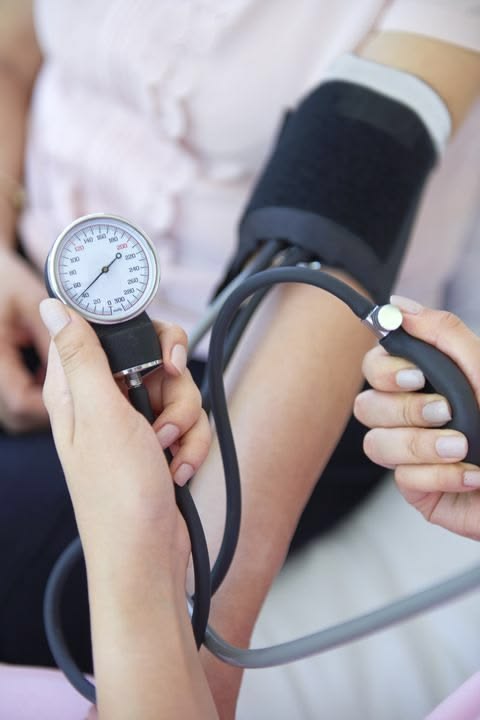
Home monitoring can help you and your healthcare professional understand how your blood pressure responds to treatment.
Use a properly fitting upper-arm blood-pressure monitor when possible. Sit quietly for several minutes before measuring. Keep your feet flat on the floor, support your arm at heart level, and avoid talking during the measurement.
Take readings according to your healthcare professional’s instructions and record the results. Do not change or stop blood-pressure medication based solely on home readings unless your clinician tells you to do so.
9. Take Prescribed Medication Correctly
Lifestyle changes are extremely important, but some people also need medication to control hypertension. Common medication categories include ACE inhibitors, angiotensin receptor blockers, calcium-channel blockers, and diuretics. The appropriate medicine depends on factors such as blood-pressure levels, age, kidney function, other medical conditions, and possible side effects.
Take medication exactly as prescribed. If you experience dizziness, swelling, persistent cough, unusual fatigue, or other concerning effects, contact your healthcare professional rather than stopping treatment on your own.
10. Know When High Blood Pressure Is an Emergency
Very high blood pressure accompanied by symptoms such as chest pain, difficulty breathing, severe headache, confusion, weakness or numbness, trouble speaking, or sudden vision changes can indicate a medical emergency.
If these symptoms occur, seek emergency medical care immediately rather than trying to lower blood pressure at home.
A Simple Daily Approach
A practical daily routine might include a low-sodium breakfast such as oatmeal with fruit, a lunch containing vegetables and beans or lean protein, and a dinner based around vegetables, whole grains, and fish or poultry. Drink water regularly and limit sugary beverages.
Add a daily walk, prioritize adequate sleep, manage stress, and take prescribed medications consistently. Regular appointments with a healthcare professional are important even when you feel well.
Final Thoughts
High blood pressure control is usually a long-term process rather than a single treatment. The most effective approach combines regular blood-pressure monitoring, a nutritious lower-sodium diet, physical activity, healthy weight management, adequate sleep, avoidance of tobacco, moderation or avoidance of alcohol, stress management, and medication when prescribed.
Do not rely on herbal remedies, supplements, or special drinks as substitutes for proven medical treatment. If you have been diagnosed with hypertension, work with a qualified healthcare professional to establish an individualized treatment plan and blood-pressure goal.
This information is for general education and does not replace individualized medical advice. If you have high blood pressure or take blood-pressure medication, discuss major dietary, exercise, or medication changes with your healthcare professional.