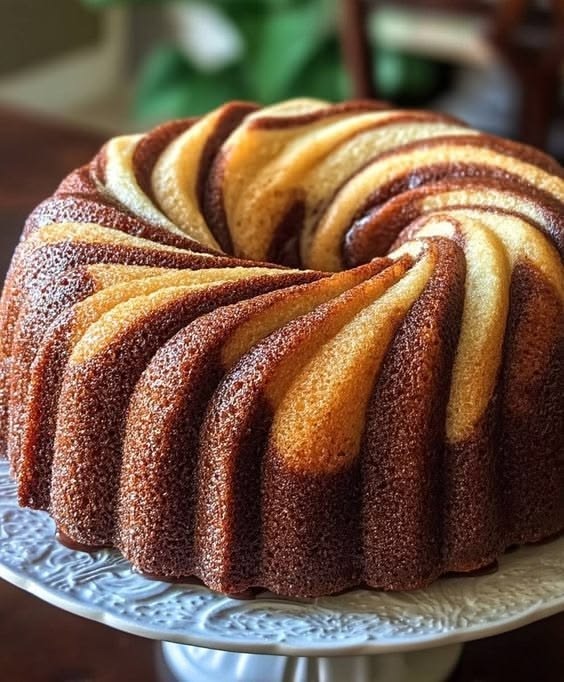
There is something magical about a beautifully decorated cake. Whether it is a birthday, anniversary, holiday, wedding shower, family gathering, or simply a weekend treat, cake has a way of turning ordinary moments into memorable celebrations. The best cakes do not have to be complicated. With a reliable recipe, quality ingredients, and a few simple decorating techniques, you can create a stunning homemade dessert for almost any occasion.
This collection-style recipe brings together the basic foundation for a versatile celebration cake that can easily be customized with different flavors, fillings, frostings, and decorations.
Classic Celebration Cake
Ingredients
For the cake:
- 2 ½ cups all-purpose flour
- 2 ½ teaspoons baking powder
- ½ teaspoon salt
- ¾ cup unsalted butter, softened
- 1 ¾ cups granulated sugar
- 4 large eggs, room temperature
- 2 teaspoons vanilla extract
- 1 cup whole milk, room temperature
For the buttercream:
- 1 cup unsalted butter, softened
- 4 cups powdered sugar
- 2 teaspoons vanilla extract
- 3–4 tablespoons heavy cream or milk
- Pinch of salt
Optional decorations:
- Fresh berries
- Sprinkles
- Chocolate curls
- Edible flowers
- Chopped nuts
- Fruit slices
Instructions
1. Prepare the Pans
Preheat your oven to 350°F (175°C). Grease two 9-inch round cake pans and line the bottoms with parchment paper. Lightly flour the sides. Preparing the pans properly helps the cakes release easily after baking.
2. Combine the Dry Ingredients
In a medium bowl, whisk together the flour, baking powder, and salt. Mixing these ingredients separately ensures that the baking powder is distributed evenly throughout the flour, giving the cake a consistent rise.
3. Cream the Butter and Sugar
Place the softened butter and granulated sugar in a large mixing bowl. Beat for about 3–5 minutes, until the mixture becomes pale, fluffy, and creamy.
This step is important because incorporating air into the butter helps create a light cake texture. Scrape down the sides of the bowl occasionally.
4. Add the Eggs and Vanilla
Add the eggs one at a time, beating well after each addition. Mix in the vanilla extract. If the mixture looks slightly curdled, do not worry; it will come together when the dry ingredients are added.
5. Add the Flour and Milk
Gradually add the dry ingredients, alternating with the milk. Begin and end with the flour mixture. Mix just until everything is combined.
Avoid overmixing the batter because excessive mixing can develop too much gluten and make the finished cake dense instead of tender.
6. Bake
Divide the batter evenly between the prepared pans and smooth the tops. Bake for approximately 25–30 minutes, or until a toothpick inserted into the center comes out clean or with a few moist crumbs.
Allow the cakes to cool in their pans for about 10 minutes. Then carefully turn them onto a wire rack and allow them to cool completely before decorating.
Make the Buttercream
For the frosting, beat the softened butter until smooth and creamy. Gradually add the powdered sugar, mixing on low speed at first to prevent a cloud of sugar from covering your kitchen.
Add the vanilla and a pinch of salt. Slowly add the cream or milk, one tablespoon at a time, until the frosting reaches a smooth, spreadable consistency. Beat the buttercream for another 2–3 minutes until fluffy.
If it is too thick, add a little more milk. If it is too soft, add additional powdered sugar.
Assemble the Cake
Once the cake layers are completely cool, place one layer on a serving plate or cake stand. Spread a generous layer of buttercream over the top.
Add the second cake layer and gently press it into place. Cover the entire cake with a thin layer of frosting, known as a crumb coat. This helps trap loose crumbs.
Refrigerate the cake for approximately 15–20 minutes, then cover it with the remaining buttercream. Smooth the sides with a spatula or cake scraper for a clean finish.
For a more rustic appearance, create decorative swirls with the back of a spoon.
Easy Ways to Customize Your Cake
One of the best things about this recipe is its flexibility. For a chocolate version, replace about ½ cup of the flour with unsweetened cocoa powder. You can also add chocolate chips or a chocolate ganache filling.
For a lemon cake, add finely grated lemon zest to the batter and replace a small amount of the milk with fresh lemon juice. A layer of lemon curd makes an especially delicious filling.
For a berry-inspired cake, spread strawberry, raspberry, or blueberry preserves between the layers. Finish the cake with fresh berries for a beautiful presentation.
For a festive holiday cake, decorate it with seasonal colors, sprinkles, candies, or themed toppers.
Tips for a Beautiful Cake
For the best results, bring refrigerated ingredients such as eggs, butter, and milk to room temperature before baking. Room-temperature ingredients combine more evenly and help produce a smoother batter.
Always allow the cake layers to cool completely before frosting. Warm cake can cause buttercream to melt and slide.
If you want perfectly even layers, use a kitchen scale to divide the batter between pans. You can also use a serrated knife to level the tops once the cakes have cooled.
Do not feel pressured to create professional-looking decorations. Fresh fruit, powdered sugar, chocolate shavings, colorful sprinkles, and simple piped frosting can make a homemade cake look wonderfully impressive.
Serving and Storage
This celebration cake is best served at room temperature, when the buttercream is soft and the cake has its fullest flavor. Store the finished cake in an airtight container or cake carrier.
If the kitchen is warm, refrigerate the cake to keep the frosting firm. Allow it to sit at room temperature for approximately 30 minutes before serving.
The unfrosted cake layers can also be wrapped tightly and refrigerated for several days or frozen for longer storage.