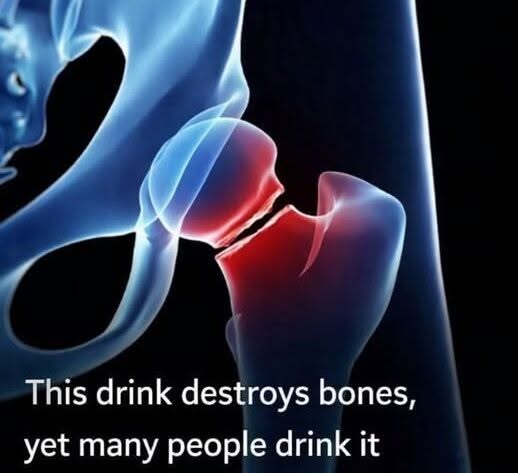
Strong, healthy bones are essential for an active and independent life. They support your body, protect vital organs, and store important minerals like calcium and phosphorus. However, many people unknowingly make dietary choices that may weaken their bones over time. One of the biggest concerns among health experts is the frequent consumption of sugary soft drinks, especially cola beverages. While enjoying an occasional soda is unlikely to cause significant harm, drinking these beverages every day may negatively affect bone health when they replace healthier options such as milk or calcium-fortified drinks.
Why Bone Health Matters
Bones are living tissues that constantly rebuild themselves. Throughout life, old bone is broken down and replaced with new bone. This process depends on having enough calcium, vitamin D, protein, and regular weight-bearing exercise. As people age, bone breakdown can occur faster than bone formation, increasing the risk of osteoporosis and fractures.
Nutrition plays a major role in maintaining strong bones. A balanced diet rich in dairy products, leafy greens, fish, nuts, and fortified foods provides the nutrients bones need to stay healthy.
The Drink That Raises Concern
Sugary cola soft drinks have often been linked to poorer bone health. Researchers believe this may happen for several reasons rather than because of one single ingredient.
1. They May Replace Calcium-Rich Drinks
One of the biggest problems with frequent soda consumption is that people may drink less milk or other calcium-rich beverages. Calcium is essential for building and maintaining strong bones.
When a person chooses soda instead of milk every day, they may consume much less calcium than their body requires. Over many years, this nutritional gap can contribute to weaker bones.
2. High Sugar Intake
Most regular soft drinks contain large amounts of added sugar. Excess sugar can contribute to weight gain, type 2 diabetes, heart disease, and chronic inflammation. Diets high in added sugars are also associated with poorer overall diet quality, meaning people may consume fewer vitamins and minerals needed for healthy bones.
3. Phosphoric Acid
Many cola drinks contain phosphoric acid, which gives them their characteristic tangy flavor. Some researchers have suggested that consuming excessive amounts of phosphoric acid without enough calcium may contribute to an imbalance in mineral intake.
Current research is mixed, but experts generally agree that the larger concern is not phosphoric acid alone—it is the combination of frequent cola consumption and inadequate calcium intake.
4. Caffeine Content
Many colas also contain caffeine. High caffeine intake can slightly increase calcium loss through urine. While this effect is relatively small, it may become more important when combined with low calcium intake over many years.
People who consume large amounts of caffeinated soft drinks while eating little calcium-rich food may place themselves at greater risk for weakened bones.
Scientific Evidence
Several observational studies have found that people—particularly women—who consume large amounts of cola beverages tend to have lower bone mineral density than those who drink them less often.
However, researchers emphasize that these studies show an association rather than direct proof that soda alone causes bone loss. Lifestyle factors such as poor diet, smoking, low physical activity, and inadequate vitamin D may also contribute.
Even so, health organizations encourage limiting sugary drinks because replacing them with healthier beverages supports better overall nutrition.
Who Is Most at Risk?
Certain groups should pay particular attention to their beverage choices:
- Children and teenagers, whose bones are still developing.
- Postmenopausal women, who naturally lose bone density with age.
- Older adults, who absorb calcium less efficiently.
- People with low vitamin D levels.
- Individuals who consume very little dairy or fortified foods.
For these groups, replacing nutritious beverages with sugary soda may have a greater impact on long-term bone health.
Better Drinks for Healthy Bones
Instead of drinking sugary soft drinks every day, consider healthier alternatives such as:
- Low-fat or fat-free milk
- Fortified plant-based milk (soy, almond, or oat with added calcium and vitamin D)
- Plain water
- Sparkling water without added sugar
- Unsweetened herbal tea
- Smoothies made with yogurt and fruit
These beverages can help meet daily nutrient needs while reducing added sugar intake.
Other Habits That Protect Bones
Healthy bones depend on more than avoiding soda. Important habits include:
- Eating enough calcium every day.
- Getting sufficient vitamin D through sunlight, food, or supplements if recommended.
- Performing weight-bearing exercises such as walking, dancing, jogging, or strength training.
- Avoiding smoking.
- Limiting excessive alcohol consumption.
- Maintaining a healthy body weight.
- Eating enough protein from balanced sources.
These lifestyle choices work together to keep bones strong throughout life.
Should You Stop Drinking Soda Completely?
Most nutrition experts agree that moderation is the key. Having a soft drink occasionally is unlikely to seriously damage healthy bones if your overall diet is balanced and rich in calcium and vitamin D.
The greater concern arises when soda becomes a daily habit and replaces healthier beverages. Drinking several sugary colas every day while consuming little calcium-rich food may gradually increase the risk of poor bone health over many years.
If you enjoy soda, consider reducing portion sizes, choosing it less often, and increasing your intake of water and nutrient-rich drinks.
Final Thoughts
The claim that “this drink destroys bones” is an exaggeration. Scientific evidence does not show that one drink instantly damages bones. However, drinking large amounts of sugary cola beverages regularly may contribute to weaker bones over time, especially if they replace calcium-rich drinks and are part of an overall unhealthy diet.
Strong bones require consistent healthy habits rather than one magic food or one harmful drink. Choosing nutritious beverages, eating a balanced diet rich in calcium and vitamin D, staying physically active, and maintaining a healthy lifestyle are among the best ways to protect your bones for years to come. While enjoying an occasional soda is generally fine for most people, making water, milk, or calcium-fortified beverages your everyday choice is a smarter strategy for lifelong bone health.