

6
White mulberries are small, sweet fruits that have become popular among people interested in natural foods, healthy snacks, and simple ways to add variety to their diets. They grow on the white mulberry tree (Morus alba) and can be enjoyed fresh or dried. Their mild sweetness makes them suitable for breakfast bowls, smoothies, desserts, and homemade fruit mixtures.
Beyond their pleasant taste, white mulberries contain fiber, natural carbohydrates, vitamins, minerals, and plant compounds. These nutrients can contribute to a balanced eating pattern, although the fruit should not be considered a cure for disease or a substitute for medical treatment.
This guide explores white mulberries’ nutritional value, potential health benefits, everyday uses, preparation tips, and important precautions.
What Are White Mulberries?
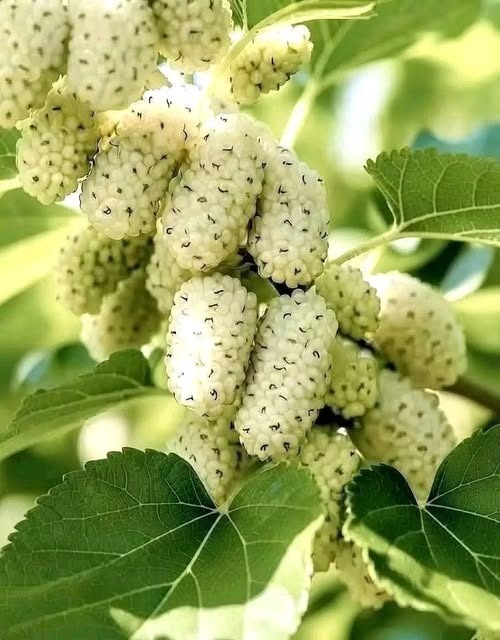
White mulberries are elongated, soft fruits that may appear white, cream-colored, pale yellow, or slightly pink when ripe. Despite their name, their color can vary depending on the variety and stage of ripeness.

The white mulberry tree originated in Asia and is now cultivated in many parts of the world. Its leaves are particularly well known as food for silkworms, while its fruits are eaten fresh or dried.
Fresh white mulberries have a delicate, honey-like sweetness and a soft texture. Dried white mulberries are chewier and more concentrated in flavor, making them a convenient addition to trail mixes and pantry snacks.
Although white mulberries are related to black and red mulberries, their flavor, appearance, and growing varieties differ.
White Mulberries Nutrition
White mulberries provide a combination of carbohydrates, dietary fiber, and naturally occurring plant compounds. They also contain several micronutrients, although the exact amounts depend on the variety, growing conditions, and whether the fruit is fresh or dried.
Important nutritional components include:
- Dietary fiber: Helps support normal digestion and bowel regularity.
- Natural carbohydrates: Supply energy for everyday activities.
- Vitamin C: Contributes to normal immune function, collagen formation, and protection of cells from oxidative damage.
- Iron: Supports the production of hemoglobin, which carries oxygen in the blood.
- Potassium: Helps maintain normal muscle function and fluid balance.
- Plant antioxidants: Include polyphenols and other compounds that are being studied for their possible biological effects.
Dried white mulberries generally contain more calories and sugars per gram than fresh fruit because much of their water has been removed. Therefore, portion size matters, especially when choosing dried fruit as a regular snack.
For the most accurate nutritional information, check the product label when purchasing packaged dried mulberries.
Potential Health Benefits of White Mulberries

1. Provides Antioxidant Compounds
White mulberries contain plant compounds, including flavonoids and phenolic substances, that have antioxidant activity. Antioxidants help protect cells from oxidative stress caused by unstable molecules called free radicals.
Research on mulberry fruits has investigated these compounds and their possible biological effects. However, laboratory findings do not automatically mean that eating mulberries prevents specific diseases in humans.
PubMed
+1
2. Supports Normal Digestive Health
White mulberries provide dietary fiber, which contributes to digestive health. Eating fiber-containing fruits regularly can help support bowel regularity and improve the overall quality of your diet.
For a simple breakfast, combine fresh mulberries with oatmeal, plain yogurt, or whole-grain cereal. If you are increasing your fiber intake, do so gradually and drink enough water.
3. Contributes to Immune Function
Vitamin C is an important nutrient for normal immune function. It also helps the body produce collagen, which supports skin, blood vessels, and other connective tissues.
White mulberries can contribute vitamin C to your daily diet, but they should be combined with other fruits and vegetables rather than relied upon as the only source.
4. Helps Provide Dietary Iron
White mulberries contain iron, a mineral required for healthy red blood cells and oxygen transport. Getting enough iron is particularly important for people whose diets may not provide sufficient amounts.
The body does not absorb all forms of dietary iron equally. Eating vitamin C-rich foods alongside plant-based iron sources can help improve the absorption of non-heme iron.
Mulberries can contribute to a varied diet, but they are not a treatment for anemia or iron deficiency.
5. May Support Heart-Healthy Eating Patterns
Mulberries contain fiber and polyphenols that researchers have investigated for their potential relationship with cardiovascular health.
However, evidence about particular health outcomes remains limited, and findings from laboratory or animal studies cannot establish that eating white mulberries prevents heart disease.
PubMed
+1
A heart-conscious eating pattern includes fruits, vegetables, whole grains, legumes, nuts, and appropriate sources of protein. White mulberries can fit comfortably into this pattern.
6. Offers a Naturally Sweet Snack
White mulberries can be a useful alternative to some highly processed sweet snacks. Their natural sweetness makes them suitable for people who want to add fruit to their meals without relying entirely on confectionery.
Nevertheless, dried mulberries contain concentrated natural sugars and calories. If you are monitoring carbohydrate intake or blood glucose, pay attention to the amount you eat.
Easy White Mulberry Yogurt Bowl Recipe


4
This simple recipe combines white mulberries with yogurt, oats, and nuts for a satisfying breakfast or afternoon snack. It requires no cooking and can be prepared in just a few minutes.
Prep time
5 minutes
Servings
1 bowl
Ingredients
- ¾ cup plain Greek yogurt or regular plain yogurt
- ¼ cup fresh white mulberries, or 1–2 tablespoons dried mulberries
- ¼ cup rolled oats
- 1 tablespoon chopped almonds or walnuts
- ½ teaspoon cinnamon
- 1 teaspoon chia seeds, optional
- 1 teaspoon honey, optional
- A small splash of milk, if needed
Instructions
- Add the yogurt to a small serving bowl.
- Stir in the rolled oats and chia seeds, if using.
- Wash fresh mulberries gently under running water and pat them dry. Add them to the yogurt. If using dried mulberries, add them directly.
- Sprinkle the chopped nuts and cinnamon over the top.
- Add a small amount of honey if you prefer a sweeter taste.
- Stir gently or leave the ingredients layered for an attractive presentation.
- Serve immediately, or refrigerate for 15–30 minutes to soften the oats.
Serving tip: For a more filling breakfast, serve the bowl alongside a boiled egg or another source of protein. You can also add sliced banana, apple, or other seasonal fruit.
Other Ways to Use White Mulberries


6
White mulberries are versatile ingredients that work in both sweet and savory preparations.
- Smoothies: Blend fresh or dried mulberries with yogurt, milk, and banana.
- Oatmeal: Add chopped mulberries to warm oats with cinnamon.
- Trail mix: Combine dried mulberries with unsalted nuts and seeds.
- Homemade jam: Cook the fruit with a little water and lemon juice until soft, then sweeten to taste if needed.
- Baking: Fold chopped dried mulberries into muffins, bread, cookies, or granola bars.
- Fruit salads: Mix fresh mulberries with apples, pears, grapes, and other seasonal fruits.
When using dried mulberries, start with a small portion because their sweetness and energy content are concentrated.
How to Select and Store White Mulberries
Choose fresh fruits that look clean and are free from mold, unpleasant odors, or extensive damage. Ripe white mulberries are delicate, so handle them carefully.
Wash fresh fruit before eating, and refrigerate it in a clean container. Because fresh mulberries spoil relatively quickly, consume them within a few days when possible.
Store dried mulberries in an airtight container in a cool, dry place. Follow the package instructions and discard the fruit if it develops mold, unusual odors, or signs of spoilage.
Safety and Precautions
White mulberries can be enjoyed as food, but a few precautions are sensible.
- Allergies: Avoid mulberries if you have a known allergy to them or develop symptoms such as itching, swelling, or difficulty breathing after eating them.
- Blood sugar: White mulberry leaf extracts have been studied for their possible effects on blood glucose. These findings should not be treated as proof that eating the fruit controls diabetes.
- Medications: If you take diabetes medication, consult a healthcare professional before using concentrated mulberry leaf supplements because they may increase the risk of low blood sugar.
- Pregnancy and breastfeeding: Evidence about the safety of medicinal white mulberry preparations is limited. Ask a healthcare professional before using supplements or concentrated extracts.
- Digestive sensitivity: Large amounts of dried fruit may cause discomfort in some people, particularly when eaten quickly or in excess.