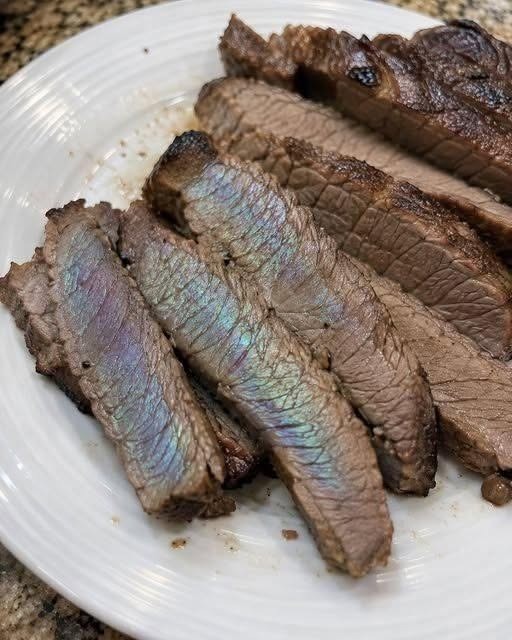
This High Protein Korean Flank Steak is a flavorful, satisfying meal that combines tender grilled beef with the bold flavors of Korean-inspired ingredients. A simple marinade made with soy sauce, garlic, ginger, sesame oil, and a touch of sweetness gives the flank steak a savory, slightly sweet, and deeply aromatic flavor. It is perfect for a high-protein lunch or dinner and pairs beautifully with rice, vegetables, or a crisp cucumber salad.
Flank steak is a great choice for this recipe because it is naturally flavorful and cooks quickly. The key to keeping it tender is marinating the meat, cooking it over high heat, and slicing it thinly against the grain.
Ingredients
For the Steak
- 1½ pounds flank steak
- ¼ cup low-sodium soy sauce
- 1 tablespoon sesame oil
- 1 tablespoon honey or maple syrup
- 1 tablespoon rice vinegar
- 4 cloves garlic, minced
- 1 tablespoon fresh ginger, finely grated
- 1 tablespoon gochujang
- 1 teaspoon toasted sesame seeds
- 2 green onions, finely sliced
- ½ teaspoon black pepper
- ½ teaspoon red pepper flakes, optional
For Serving
- Cooked white or brown rice
- Steamed broccoli
- Sliced cucumber
- Shredded carrots
- Extra green onions
- Sesame seeds
- Lime wedges
Prepare the Marinade
Begin by preparing the Korean-inspired marinade. In a medium bowl, combine the soy sauce, sesame oil, honey, rice vinegar, minced garlic, grated ginger, gochujang, sesame seeds, green onions, black pepper, and red pepper flakes if using.
Whisk everything together until the honey is incorporated and the mixture looks evenly combined.
Taste the marinade before adding the beef. If you prefer more sweetness, add a little extra honey. For more heat, increase the gochujang or red pepper flakes. If you want a brighter flavor, add another small splash of rice vinegar.
Marinate the Flank Steak
Place the flank steak in a large resealable bag or shallow dish. Pour the marinade over the beef, making sure the steak is completely coated.
Seal the bag or cover the dish and refrigerate for at least 30 minutes. For deeper flavor, marinate it for 2 to 4 hours. Avoid marinating for excessively long periods because the acidic ingredients can eventually affect the texture of the meat.
Before cooking, remove the steak from the refrigerator and allow it to sit at room temperature for about 15 to 20 minutes. Remove excess marinade from the surface so the steak can brown properly during cooking.
Cook the Steak
Heat a grill, grill pan, or heavy skillet over medium-high to high heat. The cooking surface should be very hot before the steak goes on.
Place the flank steak on the hot grill or pan. Cook for approximately 4 to 6 minutes per side, depending on the thickness of the steak and your preferred level of doneness.
For the most reliable results, use an instant-read thermometer. Medium-rare is around 130–135°F (54–57°C), while medium is around 140–145°F (60–63°C). Because cooking temperatures can vary, use temperature rather than time as your main guide.
Once cooked, transfer the steak to a cutting board and let it rest for 5 to 10 minutes. Resting allows the juices to redistribute throughout the meat, helping keep each slice juicy.
Slice Against the Grain
One of the most important steps in preparing flank steak is slicing it correctly.
Look closely at the steak and identify the direction of the muscle fibers. Using a sharp knife, slice the steak thinly against the grain, cutting across those fibers rather than along them.
Thin, cross-grain slices will be much easier to chew and give the steak a tender texture.
Make It a High-Protein Meal
For a balanced high-protein meal, serve the sliced steak with your favorite nutritious sides. Steamed broccoli adds fiber and color, while rice provides carbohydrates to make the meal more filling.
You can also build a Korean-inspired bowl by adding cooked rice, steak, cucumber, shredded carrots, broccoli, and green onions. Sprinkle sesame seeds over the top and add a small spoonful of gochujang for extra flavor.
For a lower-carbohydrate option, replace the rice with cauliflower rice or serve the steak alongside a large portion of roasted or steamed vegetables.
Another easy option is lettuce wraps. Place thin slices of steak inside crisp lettuce leaves and top with cucumber, carrots, green onions, and sesame seeds.
Tips for Tender Korean Flank Steak
Don’t skip the marinade. The combination of savory soy sauce, garlic, ginger, and sesame oil gives the steak its signature flavor.
Use high heat. A properly heated grill or skillet creates a flavorful browned exterior while keeping the inside juicy.
Don’t overcook the steak. Flank steak is lean and can become tough if cooked too long.
Rest before slicing. Give the steak several minutes to rest after cooking.
Slice against the grain. This simple technique makes one of the biggest differences in tenderness.
Adjust the spice level. Gochujang provides Korean-inspired heat and depth, but you can reduce it for a milder meal or increase it if you enjoy spicy food.
Storage and Meal Prep
Leftover Korean flank steak can be stored in an airtight container in the refrigerator for up to 3 to 4 days. Keep the steak separate from rice and vegetables if possible so everything maintains its best texture.
For meal prep, divide sliced steak among containers with rice and vegetables. Add fresh cucumber and green onions after reheating for a crisp contrast.
Reheat the steak gently in a skillet or microwave just until warmed through. Avoid prolonged reheating because the lean beef can become dry.