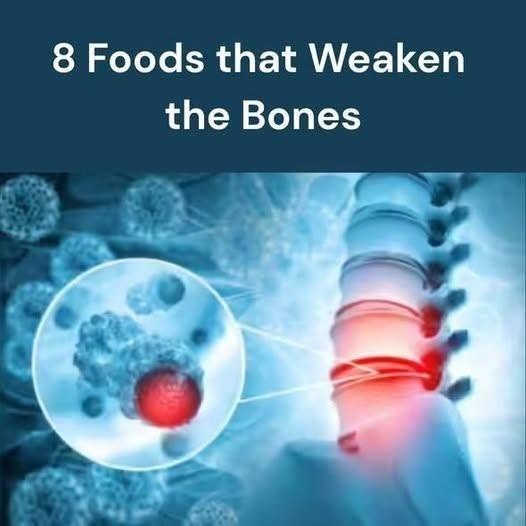
Strong bones depend on more than calcium. Your skeleton is living tissue that continually breaks down and rebuilds, requiring adequate calcium, vitamin D, protein, magnesium, and other nutrients. When the diet regularly contains large amounts of foods that are high in sodium, added sugar, alcohol, or caffeine while displacing nutritious foods, bone health may suffer.
Importantly, no single food automatically “weakens” your bones. The bigger concern is a long-term dietary pattern. Calcium and vitamin D are especially important because vitamin D helps the body absorb calcium, while inadequate calcium intake can cause the body to draw calcium from bones. (NIAMS)
Here are eight foods and beverages worth limiting if you want to protect bone health.
1. Very Salty Processed Foods
Processed meats, instant noodles, packaged soups, chips, salted crackers, fast food, and other heavily salted foods can contribute large amounts of sodium to the diet.
High sodium intake increases the amount of calcium lost through urine. Over time, consistently high sodium intake may therefore make it more difficult to maintain optimal calcium balance. (National Academies)
You do not need to eliminate salt completely. Instead, compare nutrition labels, choose lower-sodium products, and flavor meals with herbs, garlic, lemon, ginger, or spices.
2. Cola and Other Sugary Soft Drinks
Cola is frequently discussed in connection with bone health. Some observational research has found an association between higher cola consumption and lower bone density, particularly among women consuming several caffeinated cola drinks daily. (Harvard Health)
The concern may involve several factors, including caffeine, added sugar, and the possibility that soda replaces calcium-rich beverages such as milk or fortified alternatives. Researchers have also investigated phosphorus-containing acids in cola, although phosphorus itself is an essential nutrient and is not automatically harmful to bones. (NCBI)
Water, milk, or calcium- and vitamin-D-fortified unsweetened beverages are generally better everyday choices.
3. Excessive Caffeine
Coffee, energy drinks, strong tea, and caffeinated soft drinks can contribute significant amounts of caffeine.
Caffeine can modestly reduce calcium absorption and temporarily increase calcium excretion. However, the effect appears relatively small, particularly when someone consumes enough calcium. Therefore, coffee does not need to be completely eliminated. (NCBI)
The bigger concern is excessive caffeine combined with inadequate calcium intake. If you drink several caffeinated beverages daily, make sure your overall diet contains adequate calcium from foods such as yogurt, milk, calcium-set tofu, sardines, or fortified alternatives.
4. Alcohol
Alcohol deserves special attention because heavy alcohol consumption can interfere with calcium absorption and contribute to poor nutrition. Chronic excessive drinking is associated with weaker bones and a higher risk of fractures. (NIAMS)
Alcohol can also make it easier to replace nutritious meals with foods that provide fewer essential nutrients. For people concerned about osteoporosis, avoiding excessive alcohol is an important part of a bone-supportive lifestyle.
5. Sugary Desserts and Candy
Cookies, cakes, doughnuts, candy, sweet pastries, and other foods high in added sugar can become a problem when they frequently replace nutrient-dense foods.
Sugar itself should not be portrayed as directly “dissolving” bones. The concern is more about dietary quality. A diet dominated by sugary foods may provide fewer calcium-, vitamin-D-, protein-, and mineral-rich foods needed for maintaining bone tissue.
Enjoying dessert occasionally is very different from eating large quantities every day. Pairing treats with an otherwise balanced diet is a much more reasonable approach than trying to eliminate every source of added sugar.
6. Highly Processed Fast Foods
Pizza, burgers, fries, fried chicken, packaged sandwiches, and similar meals can be high in sodium, saturated fat, and calories while sometimes providing relatively little calcium and vitamin D.
Eating these foods occasionally does not mean your bones will become weak. The concern arises when highly processed meals routinely replace vegetables, fruits, legumes, dairy or fortified alternatives, fish, nuts, seeds, and other nutrient-rich foods.
A simple strategy is to prepare more meals at home and include a protein source, vegetables, and a calcium-rich food whenever possible.
7. Highly Processed Meat and Salty Meats
Bacon, sausages, hot dogs, deli meats, and other processed meats often contain considerable sodium. Their contribution to bone-health concerns is therefore more related to overall dietary pattern and sodium intake than to meat itself.
Protein is actually important for maintaining healthy bones and muscles. The goal is not to avoid protein. Instead, vary your protein sources by including fish, eggs, beans, lentils, yogurt, tofu, poultry, nuts, and seeds alongside moderate amounts of meat.
8. Ultra-Processed Snack Foods
Packaged snack cakes, sweetened breakfast products, highly refined snack bars, and similar foods can contain combinations of added sugar, sodium, and refined ingredients while offering relatively few bone-supportive nutrients.
Regularly choosing these foods instead of calcium- and protein-rich options may make it harder to meet nutritional needs. For snacks, consider yogurt with fruit, milk and a banana, nuts with fruit, cheese with whole-grain crackers, or calcium-fortified soy products.
What Should You Eat Instead?
Protecting your bones is not simply about making a list of foods to avoid. It is more important to build a diet that regularly supplies the nutrients bones need.
Calcium-rich choices include dairy products, calcium-set tofu, sardines and canned salmon with bones, leafy greens, and calcium-fortified foods and beverages. Vitamin D helps the body absorb calcium, while adequate protein supports bone and muscle health. (NIAMS)
Physical activity matters too. Weight-bearing activities such as walking, dancing, hiking, stair climbing, and resistance training can help maintain stronger bones and muscles. (National Institute on Aging)
The Bottom Line
The headline “eight foods that weaken bones” can sound frightening, but the reality is more nuanced. Most of these foods are problematic mainly when consumed excessively or when they replace nutritious foods. Moderate coffee, an occasional dessert, or a salty meal does not automatically damage your skeleton.
Focus instead on a balanced eating pattern rich in calcium, vitamin D, protein, vegetables, fruits, legumes, fish, and minimally processed foods. Limit excessive sodium, sugary soft drinks, highly processed foods, excessive caffeine, and alcohol. If you already have osteoporosis, frequent fractures, or concerns about bone density, discuss your diet and calcium/vitamin D needs with a healthcare professional rather than relying on restrictive food lists. (NIAMS)