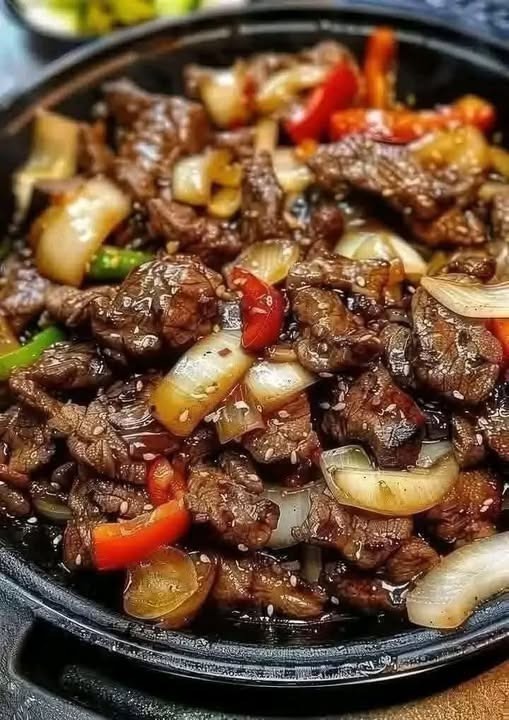
Chinese Pepper Steak with Onions is a delicious, restaurant-inspired dish featuring tender slices of beef, crisp bell peppers, sweet onions, and a rich, savory sauce. This popular takeout-style meal is quick to prepare at home and pairs beautifully with steamed rice, fried rice, or noodles. With its combination of juicy beef, colorful vegetables, and a glossy garlic-ginger sauce, it is an excellent choice for busy weeknights when you want something satisfying without spending hours in the kitchen.
The secret to making excellent pepper steak is slicing the beef thinly, cooking it over high heat, and preparing a balanced sauce that coats every ingredient. This homemade version uses simple pantry staples to create a flavorful meal that tastes like your favorite Chinese-American restaurant dish.
Why You Will Love This Chinese Pepper Steak
This recipe is perfect for anyone who enjoys bold flavors and easy homemade meals. The beef becomes tender and flavorful, while the peppers and onions provide sweetness, color, and a pleasant crunch.
Another advantage is its versatility. You can adjust the vegetables, sauce, and seasonings to suit your preferences. Use red, green, or yellow bell peppers, add extra garlic for a stronger flavor, or include a pinch of red pepper flakes if you prefer a little heat.
The entire dish comes together quickly, making it ideal for family dinners, meal preparation, or a homemade takeout night.
Ingredients
For approximately 4 servings, you will need the following ingredients.
For the Beef and Vegetables
- 1 pound beef sirloin or flank steak, thinly sliced against the grain
- 1 large green bell pepper, sliced into strips
- 1 red bell pepper, sliced into strips
- 1 medium yellow onion, sliced
- 3 cloves garlic, minced
- 1 teaspoon freshly grated ginger
- 2 tablespoons vegetable oil, divided
- 2 green onions, sliced, for garnish
- Sesame seeds, optional, for serving
For the Marinade
- 1 tablespoon soy sauce
- 1 tablespoon cornstarch
- 1 teaspoon sesame oil
- 1 tablespoon water
For the Sauce
- ¼ cup low-sodium soy sauce
- ½ cup beef broth
- 1 tablespoon oyster sauce
- 1 tablespoon hoisin sauce, optional
- 1 tablespoon cornstarch
- 1 tablespoon brown sugar
- 1 teaspoon rice vinegar
- ¼ teaspoon ground black pepper
Instructions
Step 1: Prepare the Beef
Place the beef in the freezer for approximately 15–20 minutes if it is difficult to slice. Slightly firm meat is easier to cut into thin, even strips.
Slice the beef against the grain into narrow strips. Cutting against the grain shortens the muscle fibers, helping the meat feel more tender when cooked.
Place the beef in a bowl and add the soy sauce, cornstarch, sesame oil, and water. Toss until the slices are evenly coated. Let the beef marinate for 15–20 minutes while you prepare the remaining ingredients.
The cornstarch helps create a light coating that protects the meat from drying out and contributes to a silky texture.
Step 2: Mix the Sauce
In a small bowl, whisk together the low-sodium soy sauce, beef broth, oyster sauce, hoisin sauce if using, cornstarch, brown sugar, rice vinegar, and black pepper.
Continue whisking until the cornstarch dissolves completely. Set the sauce aside.
Preparing the sauce before cooking makes the process easier because stir-frying happens quickly. The combination of soy sauce, oyster sauce, and beef broth creates a savory base, while brown sugar and rice vinegar balance the flavors.
Step 3: Cook the Beef
Heat one tablespoon of vegetable oil in a large skillet or wok over medium-high to high heat.
When the oil is hot, add the beef in a single layer. Cook in batches if necessary to avoid overcrowding the pan. Allow the beef to sear for about 1–2 minutes before stirring, then continue cooking until browned and nearly cooked through.
Transfer the beef to a clean plate.
Avoid cooking all the meat in an overcrowded skillet. Too much beef at once releases moisture and can cause the slices to steam rather than brown. A hot pan and small batches help develop the rich flavor associated with restaurant-style pepper steak.
Step 4: Stir-Fry the Vegetables
Add the remaining tablespoon of oil to the same skillet. Add the sliced onions and bell peppers.
Stir-fry for approximately 3–5 minutes, stirring frequently, until the vegetables begin to soften but still retain some crunch.
Add the minced garlic and grated ginger. Cook for another 30 seconds, stirring constantly so the garlic does not burn.
The onions should become slightly sweet, while the peppers should remain colorful and tender-crisp. If you prefer softer vegetables, cook them for an additional minute or two.
Step 5: Combine Everything
Return the beef to the skillet with the vegetables.
Whisk the prepared sauce again, as the cornstarch may settle at the bottom of the bowl. Pour the sauce over the beef and vegetables.
Stir continuously for approximately 2–3 minutes, until the sauce begins to bubble and thicken. Make sure the beef and vegetables are evenly coated in the glossy sauce.
Cook until the beef reaches a safe internal temperature. For whole beef steaks, the USDA recommends a minimum of 145°F (63°C), followed by a three-minute rest; thin strips can be harder to check individually, so use a food thermometer where practical.
If the sauce becomes too thick, add a small splash of beef broth or water. If it seems too thin, let it simmer briefly while stirring.
Step 6: Garnish and Serve
Remove the skillet from the heat. Sprinkle sliced green onions and sesame seeds over the top, if desired.
Serve the Chinese Pepper Steak with Onions immediately while the beef is tender and the sauce is warm.
Steamed white rice is a classic accompaniment because it absorbs the savory sauce beautifully. Brown rice, vegetable fried rice, chow mein, or simple stir-fried noodles also make excellent choices.
Tips for the Best Chinese Pepper Steak
Choose the right cut of beef. Sirloin, flank steak, and skirt steak work well. Slice the meat thinly against the grain for the best texture.
Use high heat. A hot skillet helps brown the beef quickly and preserves the vegetables’ crispness.
Do not overcrowd the pan. Cook the beef in batches when necessary. This allows the meat to sear instead of releasing too much moisture.
Prepare everything in advance. Slice the vegetables, mince the aromatics, and mix the sauce before turning on the stove.
Adjust the sauce to taste. Use low-sodium soy sauce to control saltiness. Add a little more brown sugar for sweetness or rice vinegar for extra tang.
Keep the vegetables colorful. Green peppers provide a slightly bitter flavor, while red and yellow peppers add sweetness. Using a mixture creates a beautiful presentation.
Easy Variations
This recipe is easy to customize according to your family’s preferences.
For a spicy version, add red pepper flakes or a small amount of chili garlic sauce. For extra vegetables, include sliced mushrooms, broccoli florets, or snap peas.
If you prefer chicken, replace the beef with thinly sliced chicken breast or thighs and cook thoroughly. For a gluten-free version, use certified gluten-free tamari and ensure that the oyster sauce and other condiments are gluten-free.
You can also make the dish less sweet by reducing or omitting the brown sugar. If you do not have hoisin sauce, simply leave it out or add a small amount of extra oyster sauce to deepen the savory flavor.
What to Serve with Pepper Steak
Chinese Pepper Steak with Onions is especially delicious with freshly steamed jasmine rice. The rice balances the bold sauce and makes the meal more filling.
For a complete dinner, consider serving it with steamed broccoli, garlic green beans, egg rolls, or a light cucumber salad. If you enjoy noodles, toss cooked egg noodles with a little sesame oil and serve them alongside the beef.
For meal preparation, divide the cooled pepper steak into airtight containers with rice and vegetables. Refrigerate promptly and consume within 3–4 days. Reheat leftovers until steaming hot, reaching 165°F (74°C), and add a splash of water if the sauce needs loosening.
Frequently Asked Questions
Can I make Chinese Pepper Steak ahead of time?
Yes. You can slice the beef, prepare the vegetables, and mix the sauce several hours in advance. Store the components separately in the refrigerator and stir-fry shortly before serving for the best texture.
Why is my beef tough?
Common causes include slicing with the grain, cutting the strips too thick, overcrowding the pan, or overcooking the meat. Slice thinly against the grain and cook quickly over high heat.
Can I use frozen vegetables?
Fresh bell peppers and onions usually provide the best texture. Frozen vegetables can work in a pinch, but thaw and drain them well to prevent excess moisture from thinning the sauce.
Can I make this recipe without oyster sauce?
Yes. You can omit it or substitute a suitable mushroom-based vegetarian oyster sauce. The flavor will be slightly different but still delicious.