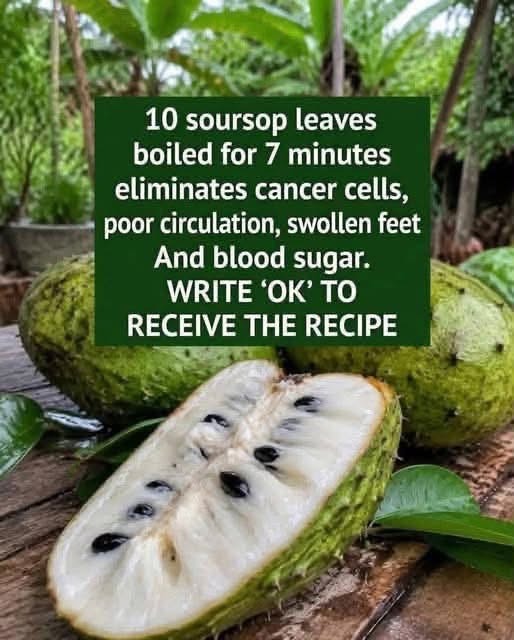
Soursop leaves tea is a traditional herbal drink made by steeping the leaves of the soursop tree in hot water. The tree, scientifically known as Annona muricata, grows in tropical regions and is also called graviola or guanábana. While its fruit is popular for its sweet, tangy flavor, its leaves have long been used in traditional wellness practices.
Today, soursop leaves tea attracts attention because the leaves contain naturally occurring plant compounds, including flavonoids and other antioxidants. People often drink it as part of a relaxing evening routine or explore it for its traditional uses. However, it is important to distinguish traditional beliefs from benefits that have been demonstrated in human studies.
This guide explains how to prepare soursop leaves tea, what research suggests about its potential properties, how to enjoy it, and what safety precautions to consider before drinking it.
What Is Soursop Leaves Tea?
Soursop leaves tea is a simple infusion prepared using soursop leaves and hot water. Depending on local traditions, people may use fresh or dried leaves and sometimes add ginger, lemon, or a little honey for flavor.
The leaves contain several bioactive compounds that researchers have investigated in laboratory studies. These include flavonoids, phenolic compounds, and acetogenins. Different compounds have different biological effects, and their presence in a plant does not automatically mean that drinking its tea will produce a particular health benefit.
Unlike ordinary black or green tea, soursop leaf tea is not made from the leaves of the tea plant. It is a separate herbal preparation with its own potential risks and uncertainties.
Potential Benefits: What Does Science Say?
Research into soursop leaves is ongoing. Much of the available evidence comes from laboratory experiments or animal studies rather than well-designed clinical trials involving people. For this reason, the possible benefits should be understood cautiously.
1. Contains Naturally Occurring Antioxidant Compounds
Soursop leaves contain plant compounds, including flavonoids and phenolics, that have demonstrated antioxidant activity in experimental settings.
Antioxidants can help neutralize certain reactive molecules under appropriate biological conditions. This is one reason researchers investigate antioxidant-rich plants.
However, the antioxidant activity measured in a laboratory does not establish that drinking soursop tea prevents disease, slows aging, or produces noticeable improvements in human health. More clinical research is needed to understand how the compounds are absorbed and used by the body.
2. Traditionally Used for Relaxation
In some communities, soursop leaf tea is consumed as a calming evening drink. A warm, caffeine-free herbal infusion can be a comforting addition to a nighttime routine.
Nevertheless, there is insufficient reliable human evidence to establish that soursop leaves tea treats anxiety, improves sleep disorders, or acts as a clinically proven sedative. People who experience persistent insomnia or anxiety should not rely on this tea instead of appropriate care.
3. Studied for Inflammatory Processes
Certain compounds extracted from soursop leaves have shown biological activity related to inflammatory pathways in experimental research.
Inflammation is part of the body’s normal response to injury and infection, but persistent inflammation can be associated with various health conditions.
Despite promising laboratory observations, it remains uncertain whether drinking the tea provides meaningful anti-inflammatory effects in people. It should not replace prescribed medication or treatment for inflammatory conditions.
4. Investigated for Blood Sugar Regulation
Some animal and laboratory studies have investigated whether soursop leaf extracts influence blood glucose levels. These findings have attracted interest because blood sugar regulation is important for people living with diabetes.
However, extracts used in experiments may differ significantly from homemade tea. Evidence is not sufficient to establish soursop leaves tea as a reliable way to manage diabetes. It should never replace prescribed medication, glucose monitoring, or a clinician-recommended eating plan. Soursop products may also interact with medicines that lower blood sugar.
PMC
+1
5. Studied for Potential Anticancer Properties
Soursop is frequently discussed online because certain compounds isolated from the plant have shown activity against cancer cells in laboratory experiments.
These findings are preliminary. Destroying cancer cells in a laboratory does not prove that a herbal tea can treat cancer in the human body. There is no reliable clinical evidence establishing soursop leaf tea as an effective cancer treatment.
PubMed
+1
Anyone undergoing cancer treatment should consult their oncology team before using soursop products, especially concentrated extracts or supplements.
Simple Soursop Leaves Tea Preparation
This section describes a traditional preparation method, not a medically established safe dose. Because long-term safety and appropriate intake have not been established, regular consumption cannot be recommended as a proven wellness practice.

Ingredients
- Fresh or dried soursop leaves, identified with certainty as Annona muricata
- Clean drinking water
- A small amount of honey or lemon for flavor, if desired
Instructions
- Identify the leaves carefully. Use only leaves confidently identified as soursop. Avoid leaves from roadside trees, sprayed plants, or contaminated sources.
- Wash the leaves. Rinse them thoroughly under clean running water to remove visible dirt and debris.
- Heat the water. Bring clean drinking water to a boil in a small saucepan.
- Prepare the infusion. Traditionally, the leaves are steeped in hot water for several minutes. However, there is no established preparation method that guarantees a safe concentration of potentially harmful compounds.
- Strain the liquid. Remove all leaves and plant material before serving.
- Add flavor if desired. Lemon or honey may change the taste but does not remove potentially toxic compounds or make the infusion safer.
Important: This recipe is provided to explain the traditional preparation method, not to recommend drinking it. Research has not established a reliably safe dose, steeping time, or frequency of consumption for soursop leaf tea.
Important Safety Considerations
Natural products are not automatically safe simply because they come from plants. Soursop leaves contain acetogenins, including annonacin, which have raised concerns about potential effects on the nervous system.
A European Food Safety Authority-associated risk assessment concluded that important uncertainties remain about the safety of soursop-based supplements and that the available evidence does not establish a safe intake level for these products. Some observational studies have also reported associations between long-term consumption of soursop products and movement disorders resembling Parkinson’s disease, although these studies do not establish that soursop caused the conditions.
PMC
+1
Consider these precautions:
- Pregnancy and breastfeeding: Avoid medicinal use unless a qualified healthcare professional specifically advises otherwise, because safety information is inadequate.
- Diabetes: Consult your healthcare professional before using soursop products, particularly if you take medication that lowers blood glucose.
- Low blood pressure: Seek medical advice if you take blood-pressure medication or have a history of unusually low blood pressure.
- Neurological conditions: Avoid self-treating with soursop leaves, particularly if you have a movement disorder or neurological condition.
- Regular medication: Discuss potential interactions with a pharmacist or doctor before taking herbal extracts or supplements.
- Long-term use: Avoid repeated or prolonged medicinal consumption because long-term safety has not been established.
Concentrated extracts, powders, capsules, and homemade infusions may differ substantially in composition. There is no reliable basis for assuming that a homemade preparation is safe simply because it is less concentrated than a supplement.
How to Enjoy a Healthier Herbal Tea Routine
If your goal is to enjoy a warm, comforting drink, consider herbal infusions with better-established culinary use, such as ginger or peppermint tea, provided they are appropriate for your individual health needs.
You can also support general wellness through a varied diet containing vegetables, fruits, whole grains, legumes, and other nutrient-rich foods. Regular physical activity, adequate sleep, and appropriate medical care remain important foundations of health.
Soursop fruit itself can be enjoyed as food when ripe and properly prepared. However, the fruit, leaves, seeds, and concentrated extracts are not interchangeable, and safety findings for one preparation cannot automatically be applied to another.
Frequently Asked Questions
Can I drink soursop leaves tea every day?
Daily consumption cannot be recommended because a safe dose and the long-term effects of drinking the tea have not been established. Frequent use may expose you to potentially harmful plant compounds.
Does soursop leaves tea help you sleep?
It is traditionally consumed as a relaxing drink, but reliable human evidence demonstrating that it treats insomnia or improves sleep quality is lacking.
Can soursop tea cure diabetes?
No. There is insufficient clinical evidence to establish that soursop tea treats or cures diabetes. Do not discontinue prescribed medication in favor of herbal preparations.
Is soursop tea proven to fight cancer?
No. Some plant compounds have demonstrated anticancer activity in laboratory experiments, but this does not establish that the tea treats cancer in people.
Is soursop tea safe for everyone?
No. Its safety is uncertain, particularly with repeated use, concentrated products, certain medications, and pre-existing health conditions. Professional advice is appropriate before considering medicinal use.