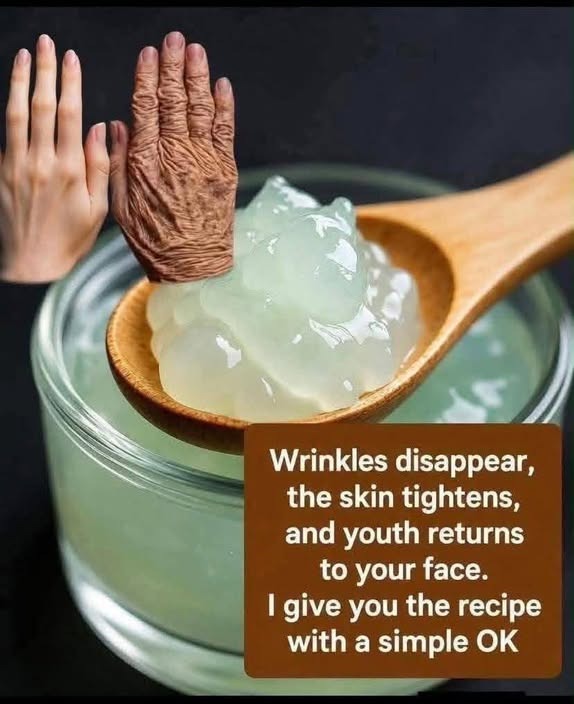
Aloe vera has been used for generations as a simple skin-care ingredient. The clear gel inside the aloe leaf has a lightweight, cooling texture that can leave skin feeling refreshed, soft, and moisturized. Today, aloe vera gel is commonly included in creams, lotions, facial cleansers, and other cosmetic products.
If your skin feels dry, tight, or dull, a simple aloe vera gel preparation can be an easy addition to a basic skin-care routine. Aloe is especially appealing because it feels light on the skin rather than heavy or greasy.
It is important, however, to distinguish hydration from permanent firming. Aloe may temporarily make skin feel smoother and more supple because of its moisturizing properties, but there is not strong evidence that a homemade aloe gel can significantly tighten loose skin or reverse signs of aging. Think of this recipe as a gentle moisturizing and soothing treatment rather than a miracle anti-aging remedy.
Why Aloe Vera May Help Skin Feel Hydrated
The clear inner gel of an aloe vera leaf contains a high amount of water along with various naturally occurring compounds. Research has found that topical aloe preparations can increase skin hydration under some conditions, although results can vary depending on the formulation and how frequently it is applied.
When applied to clean skin, aloe gel creates a fresh, lightweight layer that can make dry skin feel more comfortable. Once it dries, the skin may feel temporarily smoother and softer.
For this reason, aloe can be useful as part of a simple routine for normal or mildly dry skin. If your skin is extremely dry, however, aloe alone may not be enough. A fragrance-free moisturizer applied afterward can help provide more lasting moisture.
Simple Homemade Aloe Vera Gel Recipe
Ingredients
- 1 fresh aloe vera leaf
- Clean drinking water, as needed
- 1 clean glass or small container
- A clean spoon
- Blender, optional
- Clean strainer or fine mesh sieve, optional
Step 1: Choose and Wash the Leaf
Select a fresh, healthy-looking aloe vera leaf. Rinse the outside thoroughly under cool running water to remove dirt and surface residue.
Place the leaf upright or at an angle for a short period so the yellowish latex can drain away. The latex is different from the clear inner gel and should not be intentionally included in a skin-care preparation. Aloe products can contain different parts of the plant, and the inner gel and latex have different safety profiles.
Step 2: Remove the Outer Skin
Using a clean knife, carefully trim away the base and pointed tip of the leaf. Slice off the spiny edges.
Lay the leaf flat and carefully remove the green outer skin. You should be left with the clear, slippery gel inside.
Try to avoid the yellow sap found close to the outer portion of the leaf. For a homemade topical preparation, the goal is to use the clear inner gel rather than the latex.
Step 3: Rinse the Gel
Place the clear gel in a clean bowl and rinse it gently with cool water.
This extra rinsing step helps remove remaining plant residue. Do not use gel that has an unusual color, unpleasant smell, or visible contamination.
Step 4: Blend for a Smooth Texture
For a very simple preparation, the gel can be mashed with a clean spoon until reasonably smooth.
For a more uniform consistency, place the rinsed gel into a clean blender and blend briefly until it becomes a smooth liquid gel.
Avoid adding lemon juice, baking soda, essential oils, perfume, or other potentially irritating ingredients simply because they are popular in homemade beauty recipes. A simpler preparation is generally easier to evaluate if your skin reacts to it.
Step 5: Apply a Small Amount
Wash your face with a gentle cleanser and pat the skin dry.
Apply a thin layer of aloe gel to clean skin. Avoid the eyes, lips, and any open cuts or damaged areas.
Leave the gel on for approximately 10–20 minutes if you are using it as a simple homemade treatment. If your skin feels comfortable, you can rinse gently with cool or lukewarm water afterward.
For everyday moisturizing, a commercially prepared, fragrance-free aloe product may be more practical because homemade preparations do not contain the preservatives used to control microbial growth in cosmetic products.
How Aloe May Support a Smoother Appearance
Hydrated skin often looks temporarily smoother and more comfortable than dehydrated skin. When the outer layer of the skin has adequate moisture, fine dryness-related lines can appear less noticeable.
This is one reason aloe vera can create the impression of fresher-looking skin. However, this should not be confused with physically tightening loose skin.
Skin firmness is influenced by collagen, elastin, age, genetics, sun exposure, and many other factors. A homemade aloe preparation cannot be expected to rebuild lost collagen or permanently tighten sagging skin.
Instead, consider aloe a supportive ingredient that may help your skin feel hydrated, soft, and refreshed.
How Often Can You Use It?
If your skin tolerates aloe well, you can experiment with using a small amount several times per week.
Start slowly rather than applying a large amount every day. Everyone’s skin is different, and even ingredients considered gentle can cause irritation in some people.
Aloe is generally well tolerated when used topically, but burning, itching, rash, eczema, and allergic contact reactions have been reported.
Always Perform a Patch Test
Before applying homemade aloe gel to your face, perform a patch test.
Apply a small amount to a limited area of skin, such as the inner forearm. Wait and observe the area for signs of irritation.
If you develop significant redness, burning, swelling, itching, or a rash, wash the area and discontinue use.
If you have particularly sensitive skin, allergies, eczema, or an existing skin condition, consider asking a dermatologist before introducing homemade botanical preparations.
Storage and Freshness
Fresh homemade aloe gel is highly perishable because it contains water and does not contain the preservatives found in commercial cosmetics.
For that reason, make a small amount rather than preparing a large batch. Keep it refrigerated in a clean, covered container and discard it if its smell, color, texture, or appearance changes.
Do not keep homemade aloe gel indefinitely simply because it has been refrigerated. When in doubt, throw it away and prepare a fresh batch.
A commercially formulated aloe gel can be a more convenient option if you want something with a longer shelf life. Look for a simple, fragrance-free product if your goal is gentle hydration.
Important Safety Notes
Use only the clear inner gel for this topical recipe. Aloe latex and whole-leaf preparations are different from purified inner gel and have additional safety concerns, particularly when taken orally.
Do not drink homemade aloe preparations made from the whole leaf or use homemade aloe as an internal remedy. Oral aloe latex can cause abdominal cramps and diarrhea, and certain aloe preparations taken orally have been associated with more serious adverse effects.
Also, aloe gel should not replace medical treatment for severe burns, infected wounds, persistent rashes, or unexplained skin changes. Evidence for aloe varies considerably depending on the skin condition and product used.
Tips for Better-Looking, Hydrated Skin
Aloe works best as one small part of a complete skin-care routine.
Start with gentle cleansing rather than harsh scrubbing. Apply aloe to clean skin when desired, and follow with a moisturizer if your skin needs additional hydration. During the daytime, use sunscreen to protect exposed skin from ultraviolet radiation, which contributes to premature skin aging.
Adequate sleep, balanced nutrition, sufficient fluids, and avoiding excessive sun exposure can also contribute to healthier-looking skin.
Most importantly, be consistent. Skin care generally works better as a simple routine than as a collection of aggressive homemade treatments.