Fresh basil, lemon, and ginger come together in this bright, refreshing herbal infusion. It is naturally flavorful, easy to prepare, and makes a lovely alternative to sugary drinks. The combination has a fresh citrus aroma, gentle herbal notes, and a warming ginger finish.
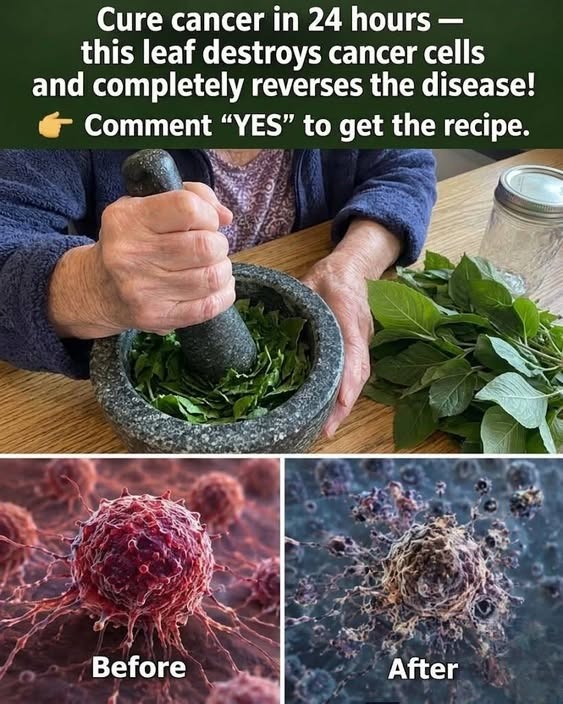
Important note: The image accompanying this recipe makes claims that a leaf can cure cancer or destroy cancer cells within 24 hours. Those claims are not supported by reliable clinical evidence. The National Cancer Institute states that no food, herb, special tea, supplement, or diet has been proven to cure cancer, and herbal products can sometimes interfere with cancer treatments. This infusion should therefore be enjoyed as a beverage, not used as a cancer treatment or replacement for medical care.
Ingredients
- 1 large handful fresh basil leaves, about ½ cup loosely packed
- 1 small piece fresh ginger, about 1–2 inches
- 1 lemon
- 4 cups filtered water
- 1–2 teaspoons honey, optional
- 2–3 fresh mint leaves, optional
- Ice, optional, for serving
Why You’ll Love This Infusion
This recipe is wonderfully simple. There is no complicated equipment, no special ingredients, and no long preparation process. Fresh basil provides a sweet, garden-fresh aroma, while ginger gives the drink a pleasantly warming flavor. Lemon adds brightness and a naturally refreshing citrus taste.
Because the recipe uses fresh ingredients rather than bottled juice or a powdered drink mix, the flavor is clean and vibrant. You can serve it warm as a soothing herbal-style drink or chill it and enjoy it over ice.
It is also easy to customize. If you prefer stronger ginger flavor, add another few slices. For a sweeter drink, stir in a small amount of honey after the water has cooled slightly.
How to Make Fresh Basil, Lemon & Ginger Infusion
1. Prepare the Ingredients
Begin by washing the basil leaves thoroughly under cool running water. Gently pat them dry with a clean kitchen towel.
Peel the ginger if desired. You can also leave the thin skin on if the ginger is clean and fresh. Slice it into thin pieces so that more of its flavor can infuse into the water.
Wash the lemon well. Slice half of it into thin rounds and set the remaining half aside for squeezing later.
2. Heat the Water
Pour 4 cups of water into a small saucepan and bring it to a gentle simmer.
You do not need a vigorous boil. A gentle simmer is enough to help release the flavors from the ginger and basil while keeping the preparation simple.
Add the sliced ginger to the hot water and reduce the heat.
3. Add the Basil
Allow the ginger to gently simmer for approximately 5 minutes.
Turn off the heat and add the fresh basil leaves. Cover the saucepan with a lid and let everything steep for another 5–10 minutes.
Steeping rather than aggressively boiling the basil helps preserve its delicate aroma and fresh flavor.
4. Add Lemon
Strain the infusion into a heatproof pitcher or individual cups.
Allow it to cool for several minutes, then squeeze in the juice from half of the lemon. Add a few lemon slices for extra flavor and an attractive presentation.
Taste the infusion. If you want a little sweetness, stir in 1–2 teaspoons of honey.
5. Serve
For a warm drink, serve immediately.
For a refreshing chilled beverage, allow the infusion to cool completely and refrigerate it for several hours. Pour it over ice and garnish with fresh basil, lemon slices, or a few mint leaves.
Tips for the Best Flavor
Use fresh basil. Fresh leaves provide a much brighter aroma than dried basil for this particular drink.
Choose firm ginger. Fresh ginger should feel firm and have a pleasant spicy fragrance.
Adjust the ginger. If you love a strong ginger flavor, increase the amount. If you prefer something mild, use only a few thin slices.
Add lemon gradually. Lemon strength varies, so add the juice a little at a time until the flavor suits you.
Sweeten lightly. Honey is optional. The drink can be enjoyed completely unsweetened.
Try it cold. Chilled basil and lemon infusion makes an especially refreshing summer beverage.
Optional Variations
There are several easy ways to change this recipe.
For a cucumber-basil infusion, add several thin cucumber slices while the drink cools.
For a minty version, add a small handful of fresh mint during the final steeping period.
For a sparkling drink, chill the finished infusion and top each glass with plain sparkling water immediately before serving.
For a warmer winter-style version, add a small cinnamon stick while the ginger simmers.
For a lightly sweet citrus drink, combine lemon with a little orange juice after the infusion has cooled.
How to Store It
Transfer leftover infusion to a clean, covered glass container and refrigerate it. For the best flavor and freshness, enjoy it within 1–2 days.
If the basil becomes very dark or the drink develops an unusual smell or appearance, discard it rather than keeping it longer.
About the “Antioxidant” Claim
Basil, ginger, and lemon contain naturally occurring plant compounds, and they can certainly be part of a varied, balanced diet. However, calling a homemade drink an “antioxidant infusion” should not be confused with saying that it treats or prevents a disease.
In particular, antioxidant foods and beverages should not be presented as cancer cures. The NCI reports that there is no evidence that a special food, herb, tea, vitamin, mineral, supplement, or combination can slow or cure cancer.
Ginger has been studied for several health purposes, but evidence for its usefulness in managing chemotherapy-related nausea is mixed, and people taking medicines should discuss ginger or other herbal products with their healthcare provider.
That makes this recipe best viewed for what it is: a flavorful homemade beverage made with fresh herbs, citrus, and ginger.
When to Be Careful
Although the ingredients are common foods, concentrated herbal products can behave differently from ordinary culinary amounts. Ginger may cause heartburn, abdominal discomfort, diarrhea, or mouth and throat irritation in some people.
If you are undergoing cancer treatment, taking prescription medication, pregnant, or managing a medical condition, ask your healthcare professional whether herbal preparations are appropriate for you. Some herbs and dietary products can interact with medications or affect treatment.