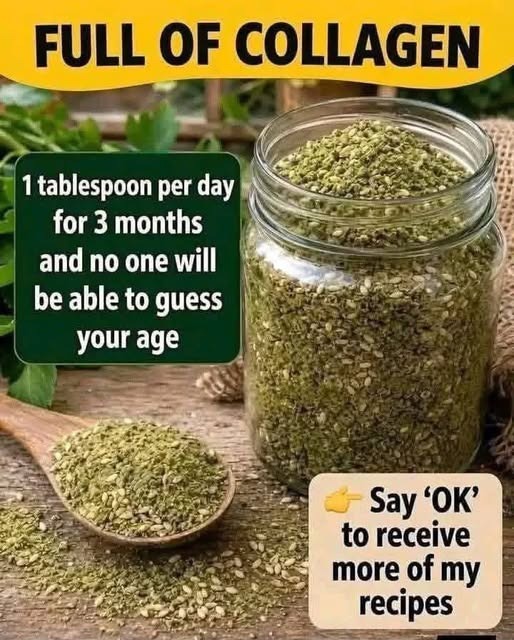
Healthy, glowing skin is influenced by much more than a single food or drink. Your body needs adequate protein, vitamins, minerals, healthy fats, hydration, sleep, and protection from ultraviolet light to maintain normal skin structure and function. The image that inspired this recipe suggests that a green seed mixture is “full of collagen” and recommends taking a tablespoon daily.
There is an important distinction, however: seeds do not naturally contain collagen. Collagen is a structural protein found primarily in animal tissues. Some foods can provide protein and nutrients that help your body make and maintain collagen, while others provide antioxidants and vitamins that support healthy skin. Vitamin C, for example, is required for collagen production.
This homemade Skin-Supporting Seed and Nut Blend is therefore best viewed as a nutritious addition to a balanced diet rather than a miracle anti-aging remedy.
Skin-Supporting Seed and Nut Blend
Ingredients
- ½ cup pumpkin seeds
- ½ cup sunflower seeds
- ¼ cup ground flaxseed
- ¼ cup chia seeds
- ¼ cup sesame seeds
- ¼ cup finely chopped walnuts
- 2 tablespoons hemp hearts
- 1 tablespoon unsweetened coconut flakes, optional
- ½ teaspoon cinnamon, optional
Why These Ingredients?
Pumpkin and sunflower seeds provide protein, minerals, and healthy fats. Nuts and seeds are also sources of vitamin E, a nutrient recognized for its antioxidant role and commonly found in foods that support overall skin nutrition.
Flaxseed and chia seeds contribute fiber and plant-based omega-3 fatty acids. Walnuts add healthy fats and make the mixture especially satisfying. Sesame seeds contribute minerals and additional healthy fats.
The goal isn’t to create a food that “replaces collagen.” Instead, this combination provides a variety of nutrients that can complement a balanced eating pattern.
How to Make the Blend
- Choose fresh ingredients.
Use fresh, unsalted pumpkin seeds, sunflower seeds, sesame seeds, walnuts, chia seeds, flaxseed, and hemp hearts. - Lightly toast the larger seeds.
Place the pumpkin, sunflower, and sesame seeds in a dry skillet over low to medium heat. Stir frequently for about 3–5 minutes, just until fragrant. Do not let them become dark or burnt. - Cool completely.
Transfer the toasted seeds to a plate and allow them to cool before mixing. - Combine the ingredients.
Add the cooled seeds to a bowl along with the flaxseed, chia seeds, walnuts, hemp hearts, coconut, and cinnamon. - Mix thoroughly.
Stir until the ingredients are evenly distributed. - Store properly.
Transfer the mixture to an airtight glass container. Because ground flaxseed and nuts contain oils, keeping the mixture refrigerated can help maintain freshness.
How to Use It
A practical serving is about 1 tablespoon, stirred into oatmeal, yogurt, smoothies, porridge, or a bowl of fruit. You can also sprinkle it over salads or use it as a topping for whole-grain toast.
The tablespoon mentioned in the inspirational image should not be interpreted as a medically established dose for collagen production or anti-aging.
If you’re new to high-fiber foods, start with a smaller amount and increase gradually while drinking enough fluids.
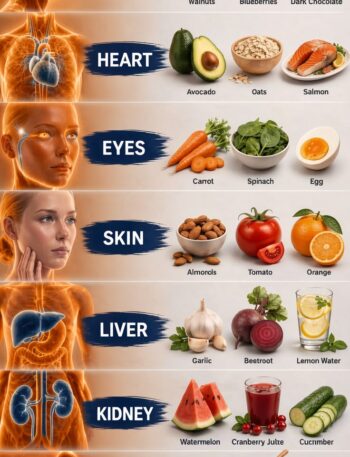
Add Vitamin C-Rich Foods
One of the easiest ways to complement a skin-supportive diet is to include foods rich in vitamin C. Your body requires vitamin C for collagen biosynthesis, making it particularly relevant when discussing collagen and skin health.
Good choices include:
- Oranges and other citrus fruits
- Guava
- Kiwi
- Strawberries
- Tomatoes
- Broccoli
- Bell peppers
- Cabbage
- Berries
Try adding fresh berries to yogurt topped with the seed blend, or enjoy a citrus fruit alongside breakfast.
Don’t Forget Protein
Collagen itself is a protein, and adequate overall protein intake is important for maintaining body tissues. Instead of focusing on one “collagen food,” build meals around varied protein sources such as fish, eggs, poultry, dairy products, beans, lentils, tofu, and other protein-rich foods.
For people who eat animal products, foods such as fish, chicken, and egg whites contain collagen or collagen-related proteins. The American Academy of Dermatology also notes that a balanced diet containing fruits, vegetables, lean proteins, and healthy fats supports healthy skin.
What About Collagen Supplements?
Collagen supplements are different from seeds and nuts because they provide collagen-derived peptides. Research on oral collagen supplementation has produced mixed results. Some reviews have reported improvements in measures such as skin hydration and elasticity, while more recent analysis has pointed out that study quality and industry funding can influence the findings.
That means collagen supplements should not be presented as guaranteed wrinkle removers or as a substitute for a nutritious diet.
If you are considering a collagen supplement, especially if you have allergies, dietary restrictions, kidney problems, or take medications, discuss it with a qualified healthcare professional.
Natural Habits That Matter for Skin
Food is only one part of the picture. Sun protection is particularly important because ultraviolet radiation contributes to premature skin aging. The American Academy of Dermatology recommends broad-spectrum sunscreen with SPF 30 or higher, along with shade and protective clothing when appropriate.
Other helpful habits include:
- Drinking enough fluids according to your individual needs
- Eating plenty of colorful fruits and vegetables
- Getting adequate protein
- Choosing healthy fats
- Avoiding smoking
- Getting sufficient sleep
- Using a gentle cleanser
- Moisturizing regularly
- Limiting unnecessary sun exposure
Moisturizing does not increase collagen production, but it can help the skin retain water and temporarily make fine lines appear less noticeable.
Simple Daily Routine
For an easy approach, enjoy 1 tablespoon of the seed blend with breakfast. Add fruit such as berries, kiwi, or orange for vitamin C. Include a protein source such as eggs, yogurt, cottage cheese, beans, or fish during the day. Drink water regularly, eat a variety of vegetables, and protect exposed skin from the sun.
This approach is much more realistic than relying on one ingredient for dramatic changes in appearance.