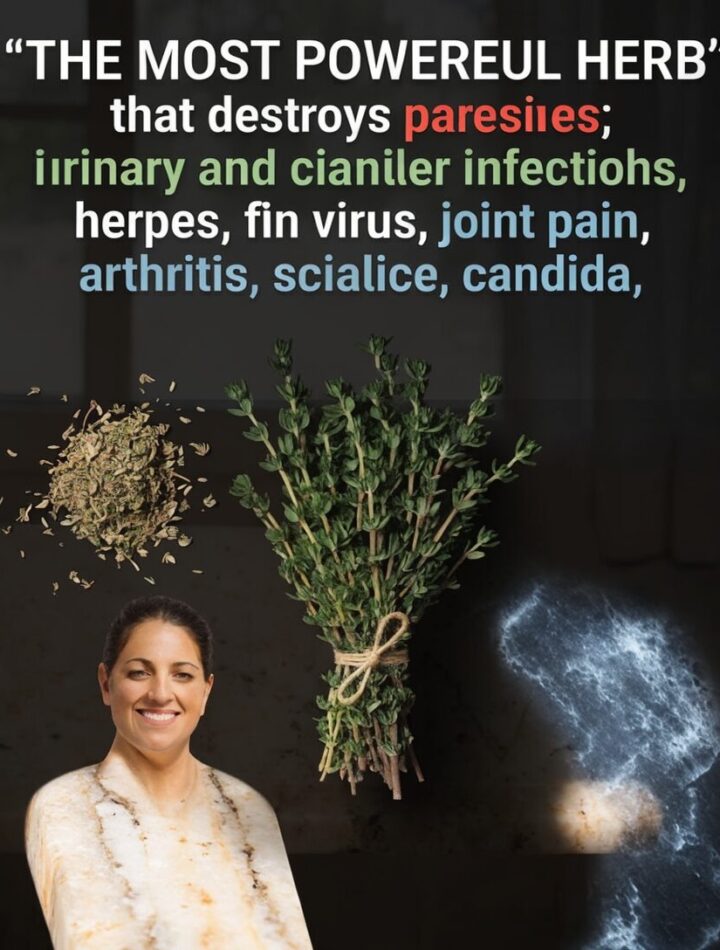
Thyme is one of the most aromatic herbs used in traditional cooking and herbal wellness. It contains naturally occurring compounds such as thymol and carvacrol, which have demonstrated antimicrobial and antifungal activity in laboratory research. However, it is important not to describe thyme as a proven cure that “destroys parasites.” Human evidence for treating parasite infections with thyme is limited, and diagnosed parasitic infections may require specific medical treatment.
That said, thyme can be prepared as a simple herbal tea that fits comfortably into a balanced wellness routine.
Thyme Herbal Tea Recipe
Ingredients
- 1 teaspoon dried thyme, or 2 teaspoons fresh thyme
- 1 cup hot water
- 1 teaspoon honey, optional
- 1–2 teaspoons fresh lemon juice, optional
- Small piece of fresh ginger, optional
Instructions
- Place the thyme in a mug or small teapot.
- Pour freshly boiled water over the herb.
- Cover and allow it to steep for approximately 5–10 minutes.
- Strain the tea into a clean cup.
- Add lemon juice and honey if desired.
- Allow the drink to cool slightly before enjoying.
The resulting tea has a pleasant earthy flavor with a slightly minty, peppery character. Honey and lemon can make the flavor more appealing while ginger adds warmth.
Why Thyme Gets So Much Attention
Thyme’s reputation comes partly from its chemical composition. Thymol, one of the major compounds in thyme essential oil, has been studied for antibacterial, antifungal, antioxidant, anti-inflammatory, and other biological activities. Laboratory research has also investigated thyme compounds for activity against certain fungi and microorganisms.
These findings are interesting, but there is an important difference between laboratory research and treating an infection in a person. A substance can inhibit an organism in a laboratory dish without being capable of safely eliminating that organism from the human body.
For this reason, thyme tea should be viewed as a traditional wellness beverage rather than a substitute for antiparasitic medicine.
Thyme and Traditional Wellness
Thyme has a long history of traditional use, particularly for respiratory complaints. The European Medicines Agency recognizes certain thyme preparations for traditional use in productive coughs associated with colds. The agency also emphasizes that this recommendation is based primarily on long-standing traditional use rather than strong clinical trial evidence.
This makes thyme especially interesting as a comforting herbal drink during cold weather. The warm liquid can soothe the throat, while thyme contributes its characteristic aroma and flavor.
What About Parasites?
The phrase “parasite cleanse” is frequently used online to describe herbal mixtures intended to eliminate intestinal worms or other parasites. Although some laboratory research has examined thyme and thymol for anthelmintic activity, this does not establish thyme tea as an effective treatment for human parasitic infections.
If someone has symptoms suggesting a parasite infection—such as persistent diarrhea, unexplained weight loss, abdominal problems, visible worms, prolonged digestive symptoms, or travel-related illness—the safest approach is proper medical evaluation and testing. Treatment depends on the particular parasite involved.
Using large amounts of herbs instead of appropriate treatment could allow an infection to continue untreated.
A Simple Wellness Version
For everyday use, keep the recipe gentle:
1 cup hot water + 1 teaspoon dried thyme + optional lemon and honey.
Steep for 5–10 minutes, strain, and enjoy warm.
There is no need to use large quantities of thyme. More is not necessarily better, particularly with concentrated herbal products.
Important Safety Notes
Culinary thyme and thyme essential oil are very different. Essential oil is highly concentrated and should not be swallowed as a homemade parasite treatment. Concentrated thyme oil can cause irritation and allergic reactions, and excessive exposure can be harmful.
People allergic to thyme or other members of the mint family may need to avoid it. Thyme preparations can also cause stomach problems or allergic reactions in some individuals.
Pregnant or breastfeeding individuals, children, and people taking medications should check with a healthcare professional before regularly using concentrated herbal preparations.