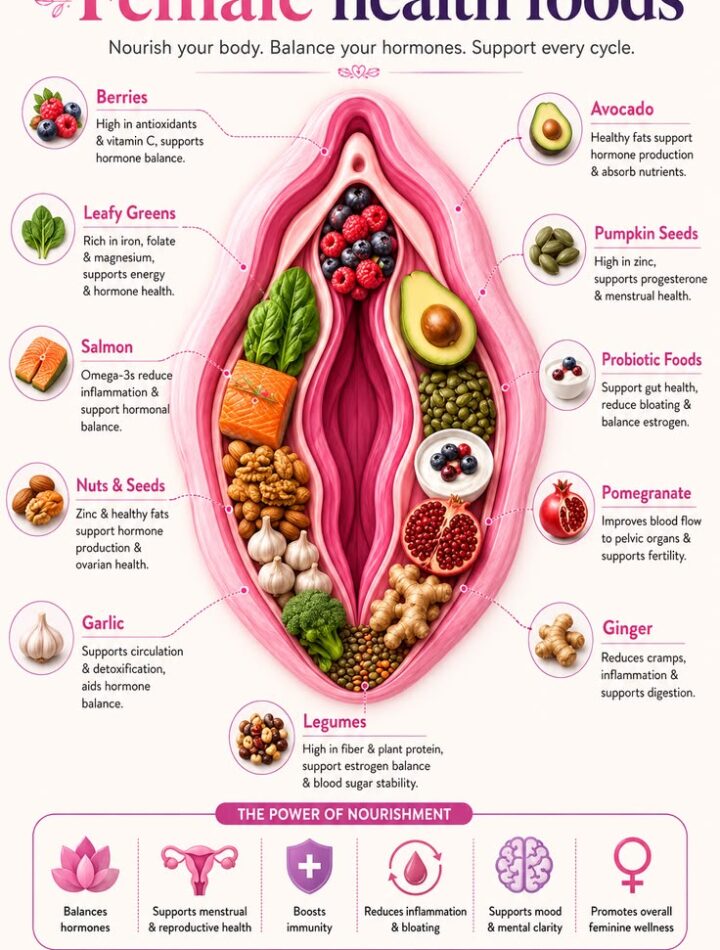
Supporting hormone health naturally starts with a balanced diet rich in protein, healthy fats, fiber, vitamins, minerals, and antioxidants. Hormones influence energy, mood, metabolism, reproductive health, sleep, and many other body functions. While no single food can “balance” hormones, consistently eating nutrient-dense foods can help support overall health.
Here are 10 nourishing foods to include in a hormone-friendly eating pattern, plus a simple recipe idea for each.
1. Eggs
Eggs are an excellent source of protein, choline, vitamin B12, selenium, and healthy fats. Protein helps provide steady nourishment and can make meals more satisfying.
Easy recipe:
Make a vegetable omelet with two eggs, spinach, tomatoes, mushrooms, and a small amount of avocado. Cook the vegetables in olive oil, add beaten eggs, and fold when set.
2. Salmon
Salmon provides high-quality protein and omega-3 fatty acids. Omega-3 fats are important components of cell membranes and are associated with cardiovascular and overall metabolic health.
Easy recipe:
Place a salmon fillet on a baking sheet. Add lemon juice, garlic, black pepper, and olive oil. Bake at 400°F (200°C) for approximately 12–15 minutes, or until the fish flakes easily. Serve with roasted vegetables.
3. Greek Yogurt
Plain Greek yogurt is rich in protein and provides calcium and other nutrients. Choosing unsweetened yogurt allows you to control the amount of added sugar in your diet.
Easy recipe:
Combine one cup of plain Greek yogurt with berries, chia seeds, chopped walnuts, and a sprinkle of cinnamon. This makes a quick breakfast or snack.
4. Avocados
Avocados contain monounsaturated fats, fiber, potassium, folate, and other nutrients. Healthy fats are useful for creating satisfying meals and supporting normal body functions.
Easy recipe:
Mash half an avocado with lemon juice, tomato, cilantro, and a pinch of salt. Spread it over whole-grain toast and top with a poached or boiled egg.
5. Leafy Green Vegetables
Spinach, kale, Swiss chard, and other leafy greens provide fiber, folate, magnesium, vitamin K, and antioxidants. Including vegetables regularly helps create a nutrient-rich eating pattern.
Easy recipe:
Sauté spinach with garlic and olive oil for a few minutes. Add cooked chickpeas and a squeeze of lemon for a simple fiber- and protein-rich side dish.
6. Flaxseeds
Flaxseeds are particularly useful because they provide fiber and plant-based omega-3 fats. They also contain lignans, naturally occurring plant compounds that have been studied for their interactions with estrogen metabolism.
Easy recipe:
Add one tablespoon of freshly ground flaxseed to oatmeal, yogurt, smoothies, or overnight oats. Ground flaxseed is generally easier to incorporate into meals than whole seeds.
7. Berries
Blueberries, strawberries, raspberries, and blackberries are packed with fiber and antioxidant compounds. Their natural sweetness makes them a useful alternative to highly processed desserts.
Easy recipe:
Blend one cup of mixed berries with plain Greek yogurt, milk or unsweetened plant milk, and a tablespoon of ground flaxseed. Add ice for a refreshing smoothie.
8. Lentils
Lentils provide plant-based protein, fiber, iron, folate, potassium, and other nutrients. Their combination of protein and fiber can make meals filling while supporting a balanced diet.
Easy recipe:
Simmer cooked lentils with chopped tomatoes, onions, carrots, garlic, cumin, and vegetable broth. Cook until the vegetables are tender. Finish with lemon juice and fresh herbs.
9. Nuts and Seeds
Almonds, walnuts, pumpkin seeds, and sunflower seeds provide healthy fats, protein, magnesium, zinc, and other nutrients. Because they are calorie-dense, modest portions are usually enough.
Easy recipe:
Create a simple snack mix with walnuts, almonds, pumpkin seeds, unsweetened coconut flakes, and a small amount of dried fruit. Keep portions moderate.
10. Cruciferous Vegetables
Broccoli, cauliflower, Brussels sprouts, cabbage, and similar vegetables provide fiber, vitamin C, folate, and plant compounds. They are excellent additions to balanced meals.
Easy recipe:
Toss broccoli and cauliflower with olive oil, garlic, and black pepper. Roast at 425°F (220°C) for about 20–25 minutes, turning once, until tender and lightly browned.
Simple Hormone-Supportive Meal
You can combine several of these foods into one satisfying meal.
Ingredients
- 1 salmon fillet
- 1 cup broccoli florets
- ½ avocado
- 1 cup leafy greens
- 1 tablespoon ground flaxseed
- 1 teaspoon olive oil
- Fresh lemon juice
- Garlic
- Black pepper
Instructions
Preheat the oven to 400°F (200°C). Place the salmon and broccoli on a baking sheet. Drizzle with olive oil and season with garlic and black pepper. Bake for approximately 12–15 minutes, or until the salmon is cooked through and the broccoli is tender.
Meanwhile, prepare a salad using leafy greens and avocado. Sprinkle ground flaxseed over the salad and add fresh lemon juice. Serve the baked salmon and broccoli alongside the salad.
Helpful Tips for Hormone-Friendly Eating
A hormone-supportive diet is about your overall eating pattern rather than one “miracle” ingredient. Try to include protein at meals, plenty of vegetables and fruit, whole grains or legumes, and sources of healthy fats.
Limit excessive amounts of highly processed foods, added sugars, and heavily refined carbohydrates. Staying hydrated and maintaining regular physical activity and adequate sleep are also important parts of overall wellness.
It is also worth remembering that hormone-related symptoms can have many causes. Persistent irregular periods, severe menstrual pain, unexplained weight changes, significant acne, unusual hair growth, infertility concerns, or other ongoing symptoms should be discussed with a qualified healthcare professional.