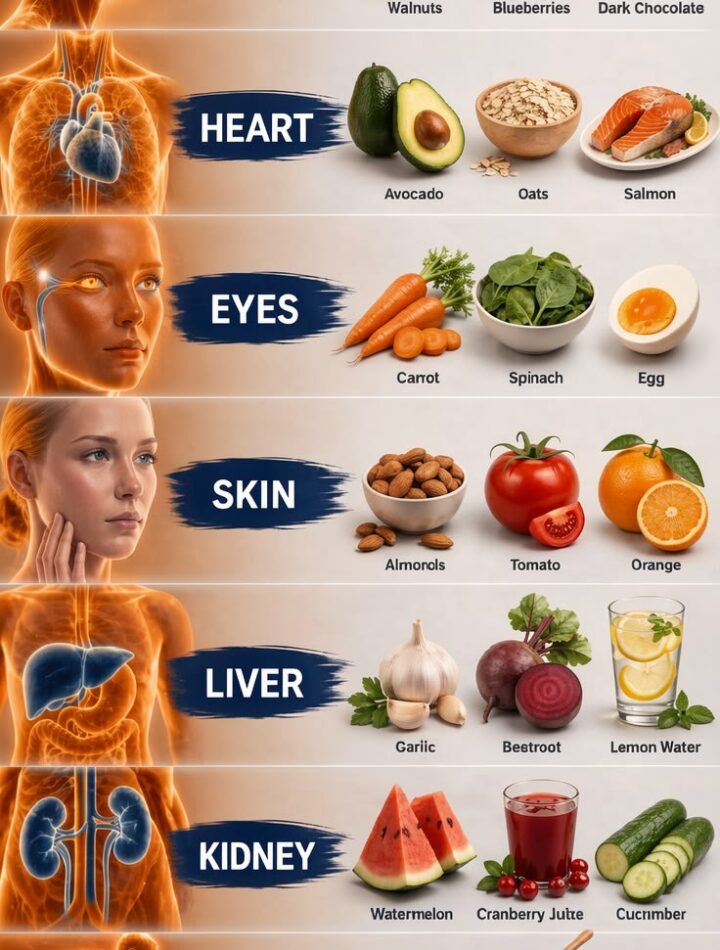
Eating well is one of the simplest ways to support your overall health. Your body needs a variety of vitamins, minerals, antioxidants, healthy fats, protein, fiber, and other nutrients to function at its best. Instead of relying on highly processed foods, adding more nutrient-rich whole foods to your daily meals can help support your brain, heart, skin, digestion, and energy levels.
Here are some of the best superfoods to include in a balanced diet.
1. Blueberries
Blueberries are small but packed with nutrients. They contain antioxidants, including anthocyanins, which give them their beautiful blue-purple color. Antioxidants help protect cells from oxidative stress.
Enjoy blueberries with oatmeal, yogurt, smoothies, or simply eat them as a snack. Fresh or frozen berries can both be convenient choices.
2. Salmon
Salmon is an excellent source of high-quality protein and omega-3 fatty acids. Omega-3 fats are important for normal brain and heart function and can be part of a heart-friendly eating pattern.
Try baked or grilled salmon with vegetables and whole grains for a simple, satisfying meal. Other fatty fish, such as sardines and trout, can also provide beneficial omega-3 fats.
3. Avocados
Avocados provide healthy unsaturated fats, fiber, potassium, and several vitamins. Their creamy texture makes them easy to add to many meals.
Spread mashed avocado on whole-grain toast, add slices to salads, or blend it into smoothies. Because avocados are calorie-dense, enjoying reasonable portions is a good way to fit them into a balanced diet.
4. Spinach and Leafy Greens
Leafy greens such as spinach, kale, and Swiss chard are rich in vitamins, minerals, fiber, and plant compounds. They can contribute to a nutrient-dense diet while adding color and freshness to meals.
Add spinach to omelets, soups, curries, sandwiches, or smoothies. A large handful of greens can easily become part of breakfast, lunch, or dinner.
5. Walnuts
Walnuts are a convenient source of healthy fats, plant protein, fiber, magnesium, and other nutrients. They also contain alpha-linolenic acid, a plant-based omega-3 fatty acid.
A small handful makes an easy snack. You can also sprinkle chopped walnuts over oatmeal, yogurt, salads, or roasted vegetables.
6. Eggs
Eggs provide high-quality protein along with nutrients such as choline, vitamin B12, selenium, and riboflavin. Choline is particularly important for normal brain and nervous-system function.
Boiled eggs make a convenient snack, while scrambled or poached eggs can become part of a nutritious breakfast. Pair eggs with vegetables and whole-grain toast for a balanced meal.
7. Sweet Potatoes
Sweet potatoes are rich in beta-carotene, which the body can convert into vitamin A. Vitamin A supports normal vision, immune function, and skin health. Sweet potatoes also provide fiber and potassium.
Bake them whole, roast them with herbs, or mash them as a comforting side dish. Keeping the skin on when appropriate can provide additional fiber.
8. Greek Yogurt
Greek yogurt is a convenient source of protein and calcium. Depending on the variety, yogurt may also contain live cultures that can contribute to a healthy digestive system.
Choose plain or lightly sweetened yogurt and add fresh fruit, nuts, seeds, or cinnamon for flavor. This makes a quick breakfast or snack without requiring much preparation.
9. Chia Seeds
Chia seeds may be tiny, but they provide fiber, plant-based omega-3 fats, protein, and minerals. Their ability to absorb liquid makes them especially useful for puddings and overnight breakfasts.
Stir chia seeds into yogurt or oatmeal, blend them into smoothies, or prepare a simple chia pudding. Start with moderate portions and drink enough fluids throughout the day.
10. Broccoli
Broccoli is a nutrient-rich vegetable containing fiber, vitamin C, vitamin K, folate, and various plant compounds. Cruciferous vegetables such as broccoli can be an important part of a vegetable-rich diet.
Steam broccoli lightly, roast it with garlic and olive oil, or add it to stir-fries and soups. Avoid overcooking it if you want to preserve its texture and flavor.
11. Oranges
Oranges are well known for their vitamin C content and also provide fiber, folate, and water. Vitamin C contributes to normal immune function and collagen formation, making citrus fruit a nutritious choice for overall wellness.
Eat an orange whole rather than relying exclusively on juice. Whole fruit provides fiber and tends to be more filling.
12. Oats
Oats are an excellent source of soluble fiber, including beta-glucan. Fiber can help support healthy digestion and, as part of a balanced diet, can contribute to healthy cholesterol levels.
Start your morning with oatmeal topped with berries, walnuts, chia seeds, or banana. Choose minimally processed oats and watch the amount of added sugar in flavored varieties.
13. Tomatoes
Tomatoes provide vitamin C, potassium, folate, and the antioxidant lycopene. Cooking tomatoes can make lycopene easier for the body to absorb, particularly when eaten with a small amount of healthy fat.
Use tomatoes in salads, soups, sauces, sandwiches, and roasted vegetable dishes. Their versatility makes them an easy food to enjoy regularly.
14. Dark Chocolate
Dark chocolate can fit into a healthy eating pattern when enjoyed in moderation. Cocoa contains flavanols and other plant compounds, although the amount varies considerably between products.
Choose dark chocolate with a higher cocoa percentage and keep portions modest because chocolate can also contain significant amounts of calories and added sugar.
Build a Superfood Plate
You do not need to eat every food on this list every day. The goal is variety. Try building meals around vegetables, fruits, whole grains, protein-rich foods, and healthy fats.
For example, breakfast could include oatmeal with blueberries, chia seeds, and walnuts. Lunch might feature a spinach salad with avocado, boiled egg, and tomatoes. For dinner, try baked salmon with roasted sweet potatoes and broccoli.